

Sustainability · 2025
In this section50 topics
- Sustainability Policy2 items
- Sustainability Goals & UN SDGs3 items
- Policy Review3 items
- Impacts on Stakeholders — Overview1 item
- Business Value Chain2 items
- Stakeholder Analysis2 items
- Environmental Policy & Guidelines3 items
- Environmental Policy Review2 items
- Energy — Plan & Guidelines2 items
- Energy — Electricity Consumption1 item
- Energy — Fuel Consumption1 item
- Energy — Targets2 items
- Energy — Performance & Outcomes2 items
- Water — Plan & Guidelines2 items
- Water — Withdrawal, Discharge & Consumption1 item
- Water — Targets2 items
- Water — Performance & Outcomes2 items
- Waste — Plan & Guidelines2 items
- Waste — Generation, Disposal & Recycling1 item
- Waste — Targets2 items
- Waste — Performance & Outcomes2 items
- GHG — Plan & Guidelines1 item
- GHG — Emissions1 item
- GHG — Emissions Verification1 item
- GHG — Targets1 item
- GHG — Performance & Outcomes1 item
- Environmental Legal Incidents1 item
- Social Sustainability — Overview2 items
- Social Policy & Guidelines4 items
- Social Policy Review3 items
- Social — Principles & Standards Practised1 item
- Human Rights Due Diligence1 item
- Employees — Plan & Guidelines3 items
- Employees — Workforce1 item
- Employees — Remuneration & Provident Fund2 items
- Employees — Training & Development2 items
- Employees — Occupational Health & Safety1 item
- Employees — Labour Relations2 items
- Employees — Employee Representation1 item
- Employees — Targets2 items
- Employees — Performance & Outcomes1 item
- Customers — Plan & Guidelines3 items
- Customers — Satisfaction Results2 items
- Customers — Targets1 item
- Customers — Performance & Outcomes1 item
- Community & Social — Plan & Guidelines3 items
- Community & Social — Targets1 item
- Community & Social — Performance & Outcomes2 items
- Other Social Management1 item
- Law Violation Incidents1 item
Sustainability Policy
Has a Sustainability Policy
Yes
Policy Description

RSXYZ Public Company Limited has a sustainability management policy that considers alignment with the direction
and business strategy according to the Sustainable Development Goals (SDGs) of the United Nations to be consistent under the objectives. “Leading the organization to achieve sustainable growth and profits with social and environmental responsibility and good corporate governance.” To reflect the intention and commitment to drive the business by considering good corporate governance, environmental, and social aspects, including respect for human rights and
anti-corruption, as guidelines for operations and to create understanding and responsibility among stakeholders, along with developing the economy to grow together in a balanced and sustainable manner.
Key sustainability achievements in 2025
Corporate Governance Assessment at a very good level, or 4 stars, by the Thai Institute of Directors Association
Shareholder Meeting Quality Assessment with a score of 100 points by the Thai Investors Association
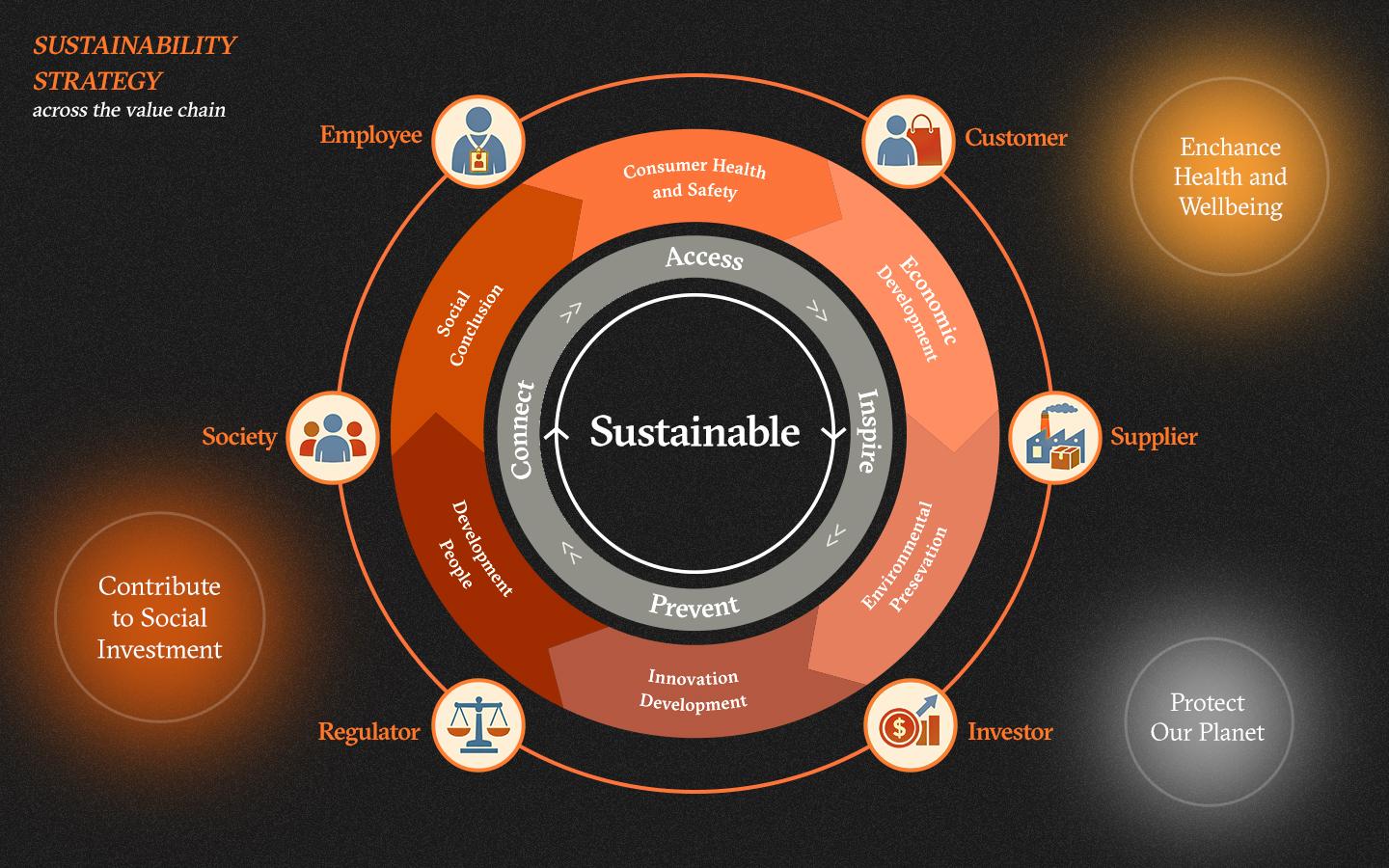
Sustainability strategy
The Company has taken sustainability issues received from stakeholders and analyzed them in conjunction with good practices from various regulatory agencies. It has integrated sustainability into its operational processes (In Process), which have been approved by the Board of Directors to determine the scope of work, set long-term strategies,
and proceed with the operational planning process. The Board of Directors has approved the business strategy to be consistent with the vision, goals, and values of the organization.
The strategy department will divide the main strategies according to the material sustainability issues by establishing
a strategic framework to be used in management to support the Company's commitment to conducting business for continuous and sustainable growth. It also aims to build and maintain relationships with stakeholders, including employees, customers, partners, shareholders, regulators, and communities, by reducing negative impacts on the environment and society and increasing positive impacts throughout the business operations. This reflects the intention and commitment to drive the business by considering the 3 pillars of sustainability and the operational framework covering environmental, social, and governance (ESG) dimensions, namely:
Enhance health and wellbeing
Code of business conduct
Good corporate governance policy
Complaints and whistleblowing
Enterprise risk management
Maintaining cybersecurity
Contribute to social investment support
Upholding human rights
Customer satisfaction development
Employee potential enhancement
Protect our planet raise awareness and participation in environmental care
Energy saving
Nature conservation
Systematic waste management
Driving and monitoring sustainability strategies
The Company has established the "Corporate Governance and Sustainable Development Committee (CG & SDC)" and will completed within 2025 to drive and promote integrated work. The "Sustainable Development Working Group" will act as the main coordinator, reporting on environmental, social, and governance (ESG) performance to the Corporate Governance and Sustainable Development Committee and presenting it to the Board of Directors for acknowledgement every quarter.
The Corporate Governance and Sustainable Development Committee has the following roles and responsibilities:
Set goals and strategies
Build knowledge and understanding
Integrate and promote culture
Advise and jointly consider work plans
Appoint a working group
Monitor the performance
Collect, prepare, and report
After the established of the Corporate Governance and Sustainable Development Committee, the Company will begin to formulate a 5-year sustainable development plan (2025-2029) that serves as a guideline for operations in various areas. However, the Company will review the sustainable development plan annually to keep pace with global changes, align with the United Nations' Sustainable Development Goals, encompass more international standards,
and be in line with the Company's business plan. This reflects the intention to develop the business while considering important environmental, social, and governance issues, along with creating the best returns for all stakeholders of the Company.
Sustainability Goals & UN SDGs
Has Sustainability Goals
Yes
Goals Description
Setting performance targets or indicators
The company plans to set balanced sustainability management targets, both monetary and non-monetary, to align with both short-term and long-term business strategies, as follows:
Core strategies
The short-term goal within 2025-2026 is "Enhancement in all dimensions" through 3 operational strategies:
Enhance health and wellbeing
Operational guidelines
Monitor the sustainability performance of business partners.
Support the creation of trade partnerships to create new innovations together.
Promote projects to create jobs and income for people in society.
Develop the team's knowledge and capabilities to drive revenue generation from products that take into account sustainable development.
Target
The level of customer complaints and/or product claims must not exceed 3%.
The customer satisfaction score must be at least 95%.
The employee satisfaction score must be at least 90%.
The corporate governance assessment score must be at least 95%.
Contribute to social investment
Operational guidelines
Deliver knowledge to students and the general public.
Support/donate to the community to create a good quality of life together.
Promoting the organization as a learning organization to develop for employee efficiency.
Target
Create and promote employment projects for at least 1,000 people in the community.
Share/donate at least 1% of total net profit to further social assistance.
Enhance employee potential by creating and sharing knowledge through training of at least 10 hours/person/year.
Protect our planet: raise awareness and participation in environmental care.
Operational guidelines
Promote the 5Rs concept through various projects.
Transform business processes to reduce environmental impact.
Instill a sense of social responsibility among employees and stakeholders.
Target
Reduce water and electricity consumption by 10% from the base year.
Cultivating environmental awareness through various activities, no less than 2 projects per year.
Support strategies
Good Corporate Governance and Share Value for all: Good corporate governance from within to share value externally. The company is committed to operating under the principles of good corporate governance as the core of driving sustainable development. It has a clear goal of "balanced growth" in terms of economy, society, and environment.
This is achieved by considering responsibility and creating shared value between the company and all stakeholders throughout the business chain. A systematic approach is used to identify key stakeholders and integrate stakeholder expectations into operations in all areas. This covers all business units and aligns with the company's business strategy. There is also appropriate monitoring and communication with all stakeholder groups, with an emphasis on caring for and building relationships with key stakeholder groups, including shareholders, employees, customers, partners, government agencies, communities, and society. This fosters shared value and balanced growth together.
Operational guidelines
Establish a good corporate governance structure at all levels of the company.
Promote good corporate governance both within the organization and with relevant stakeholders.
Creating understanding and acknowledgment through relevant training.
Sharing knowledge and experience from excellent operations to people in society.
Networking with experts both inside and outside the organization.
Promote sustainable development as part of the organization's operations.
Expand training results to actual practice, measurement, and continuous development of sustainable processes.
Disclose sustainability performance transparently and in accordance with international reporting guidelines.
Target
"Very good" corporate governance assessment result from the Thai Institute of Directors Association.
"100%" from the Annual General Meeting Quality Assessment Project of the Thai Investors Association.
"Have joined and received membership status" from the Private Sector Collective Action against Corruption (CAC).
The long-term goal within 2035 is to transform RSXYZ into an organization of the future that grows strongly in all aspects, while driving the organization in conjunction with sustainability policies.
UN Sustainable Development Goals
| SDG Goal |
|---|
| Goal 3 Good Health and Well-being |
| Goal 3 Good Health and Well-being |
| Goal 8 Decent Work and Economic Growth |
| Goal 8 Decent Work and Economic Growth |
| Goal 12 Responsible Consumption and Production |
| Goal 16 Peace, Justice and Strong Institutions |
| Goal 16 Peace, Justice and Strong Institutions |
Policy Review
Policy Reviewed This Year
No
Policy Changed This Year
No
Review Details
The Company reviews its short-term and long-term sustainability management policies and goals. These were considered and approved at the 1/2025 meeting of the Corporate Governance and Sustainable Development Committee and subsequently reported at the 1/2025 meeting of the Board of Directors. It is noted that there
were no material changes in the past year 2025.
Impacts on Stakeholders — Overview
Introduction
Policy for sustainable business value chain management
The Company prioritizes the production process from upstream to downstream, coupled with promoting good business practices under a framework of responsible business value chain operation and management, covering all dimensions: environmental, social, and governance. Focusing on key indicators in terms of product and service quality, operational cost management, and customer satisfaction, which helps increase opportunities while reducing risks and enhancing
the business's competitive capabilities. The management and employees of the Company considers itself a crucial entity with shared responsibility alongside business partners to ensure that all stakeholders in the business value chain receive maximum mutual and sustainable benefits.
Business value chain analysis
The Company is committed to creating a sustainable future through diverse products and services, aiming to deliver goods and services as gifts from various businesses and to generate endless sustainable growth for investors and consumers, while also striving to operate according to good corporate governance principles, by considering responsibility and co-creating value between the company and all stakeholders, which drives and integrates the business value chain to align with business strategies in the same direction to accommodate various changes and generate revenue growth. Continuously, along with supporting various projects integrated into each business model, considering the three main dimensions: environmental, social, and governance, coupled with fostering balanced and sustainable economic development in line with the concept of sustainable business value chain management.
Previously, the company focused primarily on sourcing, developing and distributing finished products related to Chemical Ingredients, including HPC (Home care products, Personal Care products, Cosmetic products), F&B (Foods products, Beverage products, Supplement products), TC (Traditional Medicine products, Conventional Medicine products) and PC (Plastics products, Coating products), for distribution to customers nationwide. This was done through a linear supply chain management approach, primarily emphasizing economic management, such as cost reduction, revenue generation, and sales increase.
Subsequently, in 2023, the company implemented a business strategy change, ceasing its operations in manufacturing, sourcing, developing, and distributing products for the production of finished goods (Chemical Ingredients). It then commenced operations in the Technology and Innovations business group, operating as a Tech Retail Digital Platform, categorized into the following product groups:
acts as a distributor of annual SIM cards or "SIM THEP" (divine SIM) from major telecommunication providers such as True, DTAC, NT, and AIS.
acts as a distributor of communication and IoT devices, including various electronic devices connected to the internet, which play a role in facilitating daily life, such as smartphones, tablets, mobile phone accessories, IoT Smart Watch products, and modern IT devices for health.
In 2024, continuing into 2025, the company began operating in the hospitality business group, including Japanese-style cafe restaurants and international Thai fusion restaurants. In late 2025, the company initiated a pet-related business, which is a new venture for the group and is in its initial development phase. Although this business currently contributes a small proportion to the company's total revenue, it represents an investment in a sector with long-term growth potential, aligning with the trend of pet humanization, where consumers increasingly prioritize the quality of life, health and lifestyle of their pets. Consequently, the management process has been adjusted to integrate into a network-based business value chain that considers sustainability alongside economic aspects in a balanced manner. The focus is on enhancing the quality of life for people in all dimensions throughout the entire process, from upstream to downstream, meticulously developing business models and service experiences. This has led to improved operational efficiency, reduced risks of business disruption, protected reputation and image, lowered business process costs, and developed workforce potential, thereby reflecting the value delivered to relevant stakeholders in each activity.
Guidelines for sustainable business value chain management
Emphasize and declare the concept of sustainable business value chain management.
Assess the scope, risks, and impacts on economic, social and environmental issues throughout the business
value chain.Identify goals, target groups, action plans, strategies and policies for sustainable business value chain management.
Implement action plans by organizing various activities appropriately for each stakeholder group.
Regularly measure and monitor operational performance, including establishing corrective measures to enhance work quality.
Communicate and disclose information regarding the company's sustainable business value chain management to various stakeholders accurately and transparently through appropriate channels.
Business Value Chain
Introduction
Value chain management
Currently, importance is also placed on "Sustainability" by encompassing various business operational processes
from upstream to downstream to add value to products or services, from raw material procurement, production, marketing, delivery, to after-sales service and management throughout the product lifecycle to create shared value
with stakeholders in the long term.
Value Chain Description
Overview of business value chain activities
This is the analysis of work processes that add value to products or services at every step, enabling businesses to compete and maximize profits. These activities are divided into two main categories: primary activities and support activities.
The Company prioritizes operations, thus separating concepts by various business units as follows:
Information technology business
Primary activities
Inbound logistics: Managing inventory of fast-changing technology products, selecting partners who provide
rapid delivery and always have new product batches.Operations: Arranging an attractive storefront, offering products for actual trial, installing basic software,
or appropriately bundling products.Outbound logistics : A secure delivery system for online orders, or having pick-up points at nearby branches.
Marketing and Sales: Product reviews through appropriate, diverse channels that effectively reach target customers.
After-sales service: Establishing a product claims center, product warranty, and having staff readily available
to answer usage questions.
Support activities
Procurement: Negotiating with major brands for bulk product quotas or exclusive products sold only at our store.
Human resource management: Training sales staff to have technical knowledge to explain complex specifications in an easy-to-understand manner.
Technology development: An instant stock check system between the storefront and online warehouse,
and a customer relationship system that remembers purchase history to suggest compatible accessories.Firm infrastructure: Customer data security system, and store layout design that allows customers to conveniently browse new technologies.

Food and beverages business
Primary activities
Inbound logistics: Selecting fresh ingredients from production sources, managing fresh stock to reduce waste,
and inspecting goods to meet standards.Operations: Cooking processes with unique recipes, kitchen cleanliness, cooking speed, and beautiful food presentation.
Outbound logistics: A fast and accurate serving system, table reservation service via application, including
a delivery system that ensures food quality remains hot and presentable as if dining at the restaurant.Marketing and sales: Posting food photos on social media, creating recommended menus, promotions with
credit cards, or a loyalty point system to attract regular customers.After-sales service: Welcoming with a smile, recommending suitable menu items to customers, and handling complaints quickly and professionally.
Support activities
Procurement: Negotiating purchase agreements with suppliers to achieve low costs with consistent quality,
or sourcing modern kitchen equipment.Human resource management: Training waitstaff, training chefs to maintain consistent taste standards,
and incentivizing employees during busy holiday seasons.Technology development: Utilizing a POS (Point of Sale) system for order and account management,
an automatic queuing system, or employing AI to analyze best-selling menu items for stock planning.Firm infrastructure: Store decoration to create a pleasant atmosphere, food safety management system,
and accurate tax/accounting planning.

Pet business
Primary activities
Inbound Logistics: Selecting quality and safe pet supplies or pet food, including storing shampoos or medicines
at appropriate temperatures, and managing queues for convenient and orderly grooming services.Operations: Gentle service, such as grooming without stressing the animal or caring for pets in clean and safe areas.
Outbound logistics: Design A standardized, accurate, and timely delivery system where products are safe and undamaged, or transporting pets home after grooming in a safe vehicle.
Marketing and sales: Creating educational content about pet care, showing before-and-after photos of grooming services to build customer confidence.
After-sales service: Handling various complaints, product warranties, or providing consultation on pet behavior.
Support activities
Procurement: Sourcing innovative imported equipment, such as smart toys or high-quality products from abroad.
Human resource management: Selecting staff who inherently love animals, and sending employees for training
in new grooming techniques or basic animal first aid.Technology development: Using an application for owners to view pet CCTV during service, or an online purchase history system linked across all branches.
Firm infrastructure: Designing a pet-friendly facility with separate dog and cat zones to reduce stress,
and maintaining cleanliness standards to prevent contagious diseases.

Stakeholder Analysis
Introduction
Stakeholder engagement framework and materiality analysis
Stakeholder identification and analysis: Key primary and secondary stakeholder groups are categorized to analyze direct and indirect risks and impacts, and to determine appropriate engagement channels for jointly defining sustainability issues.
Primary stakeholders are those directly associated with the Company and receive direct benefits and impacts from its operations, such as employees, shareholders, customers, and business partners
Secondary stakeholders are indirectly involved with the Company or the wider society, receiving indirect benefits or impacts from its operations, including communities and society, as well as various regulatory bodies.
Listening and engagement: Communication channels are provided both online and offline, including regular face-to-face meetings by directly responsible personnel. Channels for suggestions and complaints are also established, along with surveys for needs, satisfaction, and engagement, focus group discussions, meetings, and joint activities, all conducted regularly according to defined processes and activities.
Response: Processes are defined for responding to needs and complaints within each group appropriately and rigorously. Communication or disclosure of information is comprehensive, sufficient, and timely. Furthermore, processes are established to support and analyze the collected data, leading to further development and improvement of internal processes.
In 2025, the Company focused on nurturing and building relationships with its top 3 key stakeholder groups, namely:
Customers, Employees, and Business Partners, with other secondary stakeholders including shareholders, government or regulatory bodies, communities, and society, to create shared value and grow together in a balanced and sustainable manner.
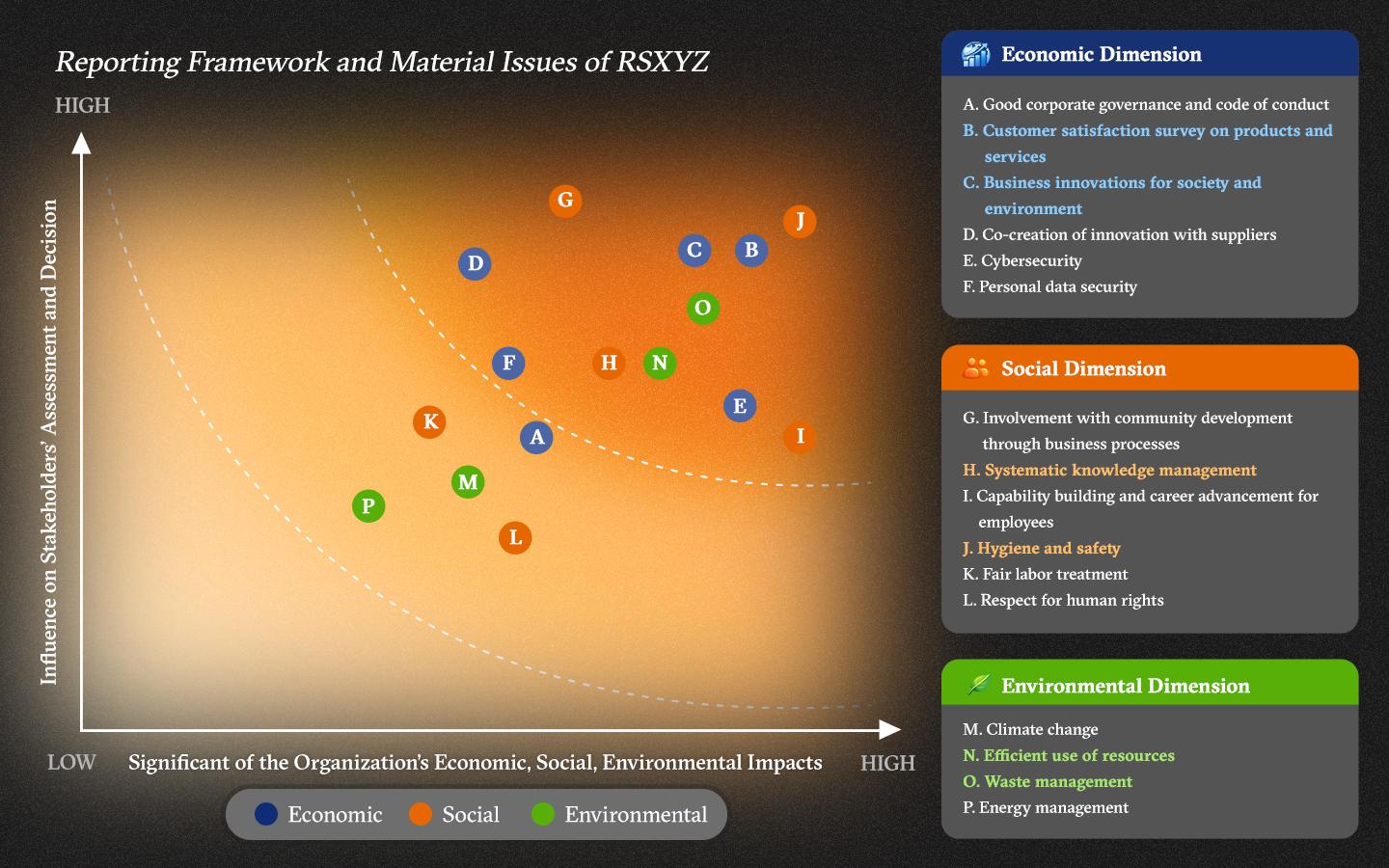
Materiality assessment and identification of sustainability issues
As stakeholders are crucial to the Company's business operations, opportunities are provided for stakeholders to engage in discussions to foster mutual understanding, listen to opinions and needs, and identify whether urgent issues align, conflict, or otherwise. These efforts aim to discover issues that can impact and represent expectations for the business, covering all operational dimensions, and to ensure that the Company's predictions or assessments regarding stakeholders are not solely based on its own perspective. This also ensures clarity in the activity formats used and that clear responsibilities are assigned to individuals for each stakeholder group.
Materiality assessment process
Issue selection: The Sustainable Development Working Group is responsible for evaluating and selecting sustainability issues, considering feedback and supporting information from all relevant stakeholders through various channels. This also includes considering the Company's risks, business strategies, stakeholder impacts
and expectations, the Company's sustainability management approach, and international sustainable development trends.Defining report scope: The scope of each issue is determined by considering its impact on the Company's
business operations and its impact on all internal and external stakeholders.Prioritization assessment: Selected issues will be prioritized based on opportunities and impacts on the Company and all stakeholders. The report's content will primarily focus on 3-5 highly significant key issues, then comprehensively expand to other secondary issues.
Verification and reliability: The Corporate Governance and Sustainable Development Committee plays a role
in monitoring and verifying the progress and preparation of the sustainability report, providing recommendations to ensure completeness and coverage of key issues related to the Company and all stakeholders, as well as approving the disclosure of relevant policies and information.Continuous development: The Company prepares a sustainability report to disclose important information to investors and the general public in all dimensions. It aims to develop the report preparation to meet international standards by actively listening to feedback and suggestions from all relevant stakeholders through various channels, such as participating in sustainability report award assessments, customer satisfaction surveys,
partner self-assessments, or user feedback questionnaires for the report among others.
The Company's material issues for 2025 are ranked as follows, with the top 3 being:
Customer Satisfaction Assessment for Products and Services. (Response to SDGs 3)
Health and Safety Care. (Response to SDGs 12)
Systematic Waste Management. (Response to SDGs 13)
This also includes secondary prioritization in each dimension, which aligns with the Company's analysis of the importance of primary and secondary stakeholders.
Stakeholder engagement policy
The Company is committed to managing stakeholders efficiently and fairly by adopting a systematic approach
to identify key stakeholders and integrate their expectations into operations across all sectors, covering all business units and aligning with the Company's business strategies. Furthermore, it regularly monitors and communicates with
all stakeholder groups appropriately.
In 2025, the Company's Board of Directors reviewed its stakeholder groups to ensure that throughout the business's value chain, the Company has comprehensively addressed important issues, aligning with the business strategies of that period, including short-term, medium-term and long-term plans. The review covered all dimensions, whether direct
or indirect, positive or negative impacts, to achieve management that meets needs and is at an appropriate level.
This will help reduce business risks and create opportunities for sustainable business growth.
Managing impacts on stakeholders in the business value chain
Understanding the sustainability needs of all stakeholder groups is another crucial factor contributing to the Company's success. This will reflect appropriate approaches for communicating with stakeholders and identifying material issues, enabling the Company to innovate, anticipate, and respond effectively, as well as to create new products and services for customers with diverse needs. The Company also serves as a bridge connecting the entire supply chain throughout the value chain, operating from upstream to downstream.
Stakeholder relationship management
Once stakeholder expectations are understood, the Company summarizes its approach to addressing those expectations. This reflects collaboration and co-creation of value between the Company and all stakeholders,
reduces various operational risks and also serves to add value to the business.
Stakeholder Analysis
| Stakeholder Type | Stakeholders | Stakeholder Expectations | Response to Expectations | Communication Activities |
|---|---|---|---|---|
| Internal stakeholders | 2921 · Description: Employees | • Appropriate and fair wages and compensation .
• Provision of welfare benefits exceeding legal requirements.
• Provision of training for knowledge development and work potential.
• Providing opportunities for career advancement to ensure life stability.
• Management of a good, safe environment in accordance with occupational health and safety principles in the workplace.
• Consistent disclosure and communication of company management information and direction.
• Job satisfaction and work-life balance.
• Fair treatment of employees in accordance with human rights principles, without discrimination or prejudice.
• Acceptance and provision of opportunities for employees of diverse genders. | • Manage compensation payments that align with the company's short-term and long-term performance, including performance measurement using the OKRs system.
• Provide appropriate employee benefits, such as social security funds, medical welfare, annual health check-ups, and special-priced food and beverages.
• Promote and implement employee potential development, fostering fair career advancement.
• Manage office spaces in accordance with occupational health principles, such as green areas, smoking areas, employee canteens, and various recreational corners.
• Recruit and hire employees in line with human rights principles, emphasizing equality, diversity, non-discrimination, and non-bias based on race, religion, skin color, or gender, focusing on abilities that align with the business model.
• Provide channels for inter-communication. | 2938 · Description: Visit · 2939 · Description: Press Release · 2940 · Description: Social Event · 2941 · Description: Online Communication · 2942 · Description: Internal Meeting · 2943 · Description: External Meeting · 2944 · Description: Annual General Meeting (AGM) · 2945 · Description: Complaint Reception · 2946 · Description: Employee Engagement Survey · 2947 · Description: Satisfaction Survey · 2948 · Description: Training / Seminar · 2949 · Other name: Recreational activities · Description: Others · 2949 · Other name: Performance Evaluation · Description: Others |
| External stakeholders | 2915 · Description: Consumers · 2923 · Description: Customers | • Good pre-sales service, with accurate and timely product information provided by staff.
• Receipt of safe, quality products that meet controlled standards, are accurate, and delivered on time.
• Transparent and timely tracking of order and delivery status.
• Good after-sales service, including product warranty and satisfaction guarantee.
• Environmentally friendly production process.
• Diverse products that are up-to-date with trends and meet customer needs.
• Easy access to products through various offline and online channels.
• Appropriate product pricing and suitable marketing promotion activities. | • Produce standardized and safe products.
• Promote manufacturing innovations that meet customer needs and are environmentally friendly.
• Deliver quality, accurate, and timely information, products, and services according to established standards.
• Provide information service officers for both pre-sales and after-sales support.
• Expand diverse, accessible, and efficient product distribution channels.
• Conduct customer satisfaction surveys.
• Implement measures to protect customer personal data.
• Establish channels for mutual communication. | 2938 · Description: Visit · 2939 · Description: Press Release · 2940 · Description: Social Event · 2941 · Description: Online Communication · 2945 · Description: Complaint Reception · 2947 · Description: Satisfaction Survey · 2948 · Description: Training / Seminar |
| External stakeholders | 2894 · Description: Creditor · 2899 · Description: Suppliers · 2900 · Description: Business partners · 2903 · Description: Dealers · 2906 · Description: Tenants · 2908 · Description: Raw material processors · 2909 · Description: Lessors · 2910 · Description: Franchisor · 2911 · Description: Raw material distributors · 2912 · Description: Product distributors · 2917 · Description: Raw material manufacturers · 2918 · Description: Contractors · 2919 · Description: Subcontractors · 2920 · Description: Franchisee · 2932 · Description: Joint venture partners | • Transparent, fair, non-monopolistic, non-discriminatory, and non-corrupt procurement.
• Provision of attractive, appropriate, and fair remuneration.
• Creation of shared value in long-term and sustainable business operations.
• Safety prevention in accordance with occupational health principles.
• Upholding commitments and mutual confidentiality in business operations.
• Fair contracting with all parties.
• Accurate and timely debt repayment. | • Treat business partners fairly, transparently, and accountably, without monopolistic or restrictive trade practices, and oppose all forms of corruption.
• Establish fair contract terms and procurement compensation.
• Make timely payments according to agreed-upon terms.
• Promote cooperation, develop innovation, and share knowledge.
• Maintain good relationships and mutual confidentiality.
• Share a common goal of producing quality and safe products for customers.
• Operate with processes adhering to occupational health and safety principles. | 2938 · Description: Visit · 2939 · Description: Press Release · 2940 · Description: Social Event · 2941 · Description: Online Communication · 2942 · Description: Internal Meeting · 2945 · Description: Complaint Reception · 2949 · Other name: ESG Performance Evaluation · Description: Others |
| External stakeholders | 2904 · Description: Investors or investment institutions · 2913 · Description: Shareholders · 2925 · Description: Financial institution | • Strong, tangible, continuous, and stable performance.
• Comprehensive sustainable development.
• Stock price reflecting the company's true value.
• Consistent dividend payments.
• Good corporate governance, transparent, and auditable.
• Accurate, complete, and timely disclosure of information. | • Manage operations to achieve stable and balanced growth in all dimensions, including economic, social, and environmental aspects.
• Perform duties with integrity, and conduct all operations in accordance with corporate governance principles and ethics, without seeking personal gain or benefiting others by using any company information not yet disclosed to the public, and without taking any actions that may create a conflict of interest for the company.
• Promote anti-corruption in all forms. | 2938 · Description: Visit · 2939 · Description: Press Release · 2940 · Description: Social Event · 2941 · Description: Online Communication · 2944 · Description: Annual General Meeting (AGM) · 2945 · Description: Complaint Reception |
| External stakeholders | 2902 · Description: Community · 2914 · Description: Thought leaders · 2926 · Description: Educational institution or academic agency · 2928 · Description: Society · 2933 · Description: Non-profit organization / NGOs · 2934 · Description: Standard organization · 2935 · Description: Independent entities | • Fostering community and social engagement and trust.
• Proper prevention of environmental impacts in accordance with regulatory criteria.
• Implementing processes to enhance the quality of life for people in society.
• Active participation in the community and society.
• Efficient and shared utilization of resources. | • Create value and develop communities based on sustainable development principles through the transfer of knowledge to people.
• Control waste discharge to meet standard criteria.
• Promote the improvement of business processes to reduce impacts on communities and the environment.
• Efficient resource utilization and minimization of waste in production processes.
• Consistently support activities that create value for society, communities, and the environment.
• Listen to suggestions from surrounding communities to jointly find solutions for various complaints. | 2938 · Description: Visit · 2939 · Description: Press Release · 2940 · Description: Social Event · 2941 · Description: Online Communication · 2945 · Description: Complaint Reception · 2948 · Description: Training / Seminar · 2949 · Other name: Community and social needs assessment · Description: Others · 2949 · Other name: Direct on-site assistance · Description: Others |
Environmental Policy & Guidelines
Has an Environmental Policy
Yes
Policy Description
Policy for environmental management
the Company is committed to operating in strict compliance with environmental laws, regulations, and guidelines.
This includes the responsible use of energy and natural resources, with an emphasis on nature conservation,
systematic waste management, and consideration for managing and controlling environmental impacts throughout
the organization's supply chain. the Company promotes employee awareness and participation in environmental responsibility. Environmental management is also a key factor in investment considerations with partners. 
In 2025, the Company reviewed its environmental policies and practices. Initially, the goal is to raise awareness and understanding of environmental conservation among employees, starting with a project on proper and systematic waste disposal. The company is also adopting a circular economy approach to its operations to address global warming and future resource scarcity.
Guidelines for environmental management
Strict compliance with environmental laws, regulations and guidelines.
Regularly review environmental policies, management plans, and performance.
Support the use of environmentally friendly technologies and operational procedures, taking into account proper waste control and management.
Promote environmental impact assessments as part of the business value chain.
Disclose the Company's environmental information accurately and transparently through appropriate channels.
Provide knowledge and support activities that raise awareness and responsibility towards the environment among employees and the public. This includes: posting environmental policies to encourage employees to conserve water and energy, promoting efficient use of resources within the office such as reducing paper consumption,
and controlling the disposal of chemical products from packaging cleaning or product waste disposal in designated areas and in accordance with regulations to prevent impact on surrounding communities. The Company also promotes waste sorting for proper waste management.
Impact assessment for environmental management
In 2025, the Company assessed the environmental impacts of its operations in all dimensions, including impacts on ecosystems. While the Company acknowledges the significance of climate change and potential negative impacts on natural resources, environmental issues are not considered a top priority or a significant threat to the Company in the near future. However, this year, the Company has identified two key sustainability issues related to the environment: efficient resource utilization and systematic waste management. The Company has also initiated the setting of environmental targets with a broader scope to encompass more business operations. Additionally, appropriate and adequate occupational health and safety guidelines have been established.
Performance results for environmental management
The Company regularly monitors and evaluates its operations in accordance with relevant environmental laws, regulations, and guidelines to ensure that employees and stakeholders are aware of and comply with them.
In 2025, the Company did not engage in any activities that violated environmental laws and regulations, resulting in no related penalties. The company also participated in projects with building owners, implementing initiatives under the core concept of The Company participates in projects and activities with building owners, on a projects with the following key initiatives: Green Army: Be Aware, Be the Change, Change the World. This initiative focuses on employee participation in various activities, including: Sub-activities: "Paper Merci Recycle", "Think Before Trash, Throw Plastic",
and "Save Energy".
Environmental Guidelines
| Guideline |
|---|
| Electricity Management |
| Water Management |
| Waste Management |
Environmental Policy Review
Policy Reviewed This Year
Yes
Review Details
The Company reviews its policy for environmental management, guidline and targets for both the short and long term. These were approved at the 1/2025 meeting of the Corporate Governance and Sustainable Development Committee and reported at the 1/2025 meeting of the Board of Directors. There have been no material changes in the past year 2025.
Energy — Plan & Guidelines
Has an Energy Management Plan
Yes
Plan Description
Policy for efficient use of energy and resources
The Company recognizes the increasing use of energy and natural resources in the world and its impact on human life and the balance of the ecosystem. The Company is ready to be a part of driving business towards a circular economy and carbon neutrality by applying it throughout the value chain of the Company. With the hope of being a part to create good environmental awareness for people in society to conserve and use energy and resources to achieve maximum efficiency, through supporting various activities and promoting knowledge creation and awareness among employees that energy and resource use is a personal matter, which is the duty of all parties to cooperate.
Guidelines for efficient use of energy and resources
Strictly comply with laws, regulations, and practices related to energy and resource use.
Regularly review policies, management plans, and monitor performance.
Promote the concept of 5Rs conservation, which are Reduce, Reuse, Recycle, Repair, and Refuse.
Support the use of innovation and technology in the production process related to energy and resource conservation.
Support activities and raise awareness among employees at all levels to be environmentally responsible.
Arrange workspaces in the form of energy-saving buildings to be a part of using natural resources to the fullest.
Evaluation for efficient use of energy and resources
The Company considers starting work from within the organization primarily by organizing activities to provide knowledge, create awareness for employees within the organization. With the hope that it will lead to a change in the mindset of energy and natural resource use in daily life sustainably. 
Concept for electricity management
“Electricity” is an essential energy source for driving the main economy. Electricity in the country is produced from limited energy sources and there is a trend of importing in increasing quantities. Therefore, the Company places importance on managing electricity within the organization by using it wisely. The Company encourages all stakeholders
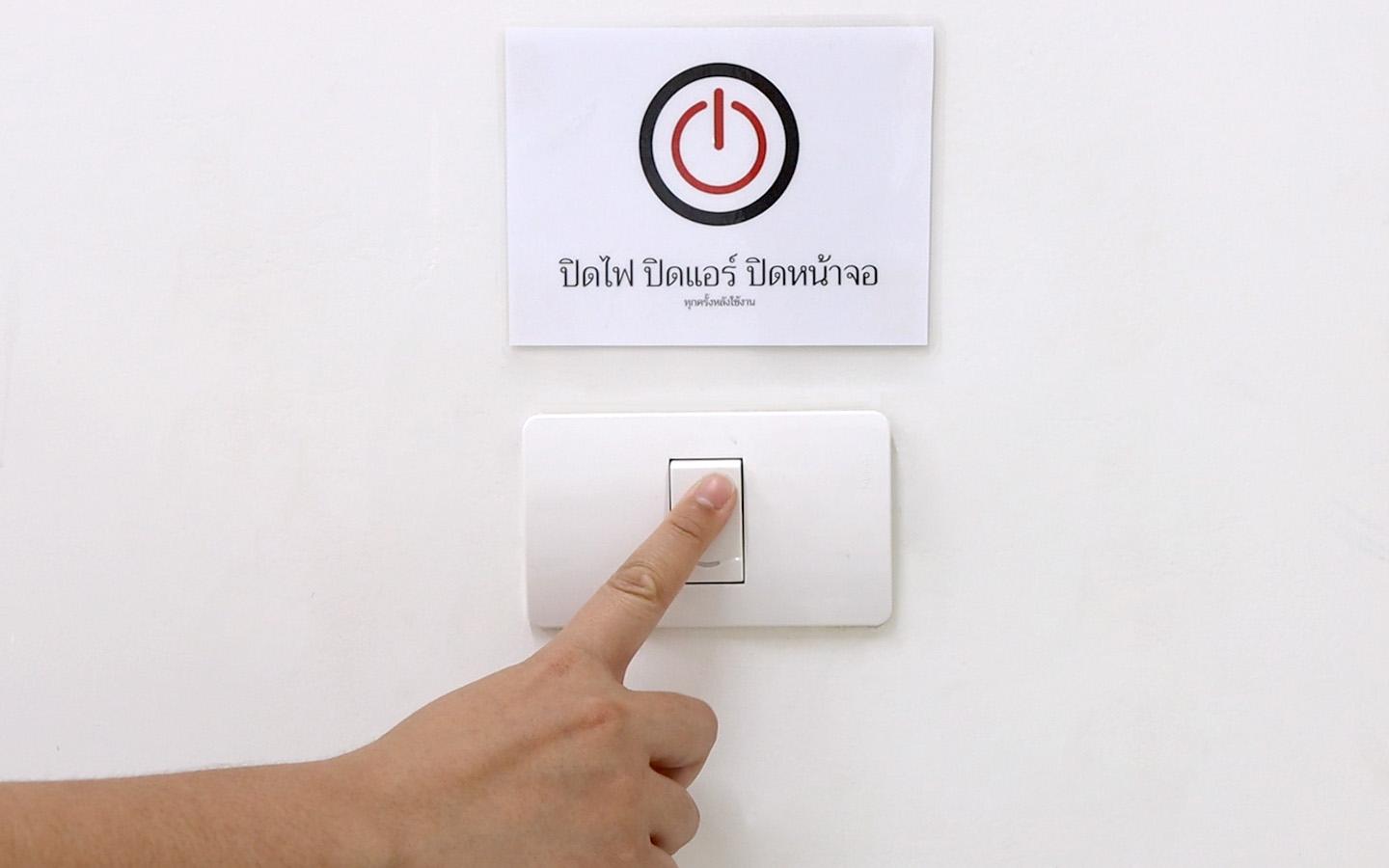
in the supply chain to use electricity efficiently, including the use of buildings designed for energy saving, including publicizing reminders for employees within the organization to help turn off the lights every time when not in use, turn off the computer screen, change various devices that save more electricity consumption, such as changing all light bulbs to energy-saving types, including planning, inspection, and maintenance of the electrical system to be safe and ready for use at all times.
Guidelines for electricity consumption in the office
Turn off lighting equipment only when necessary and turn it off when not in use. Try to use natural light as much as possible, choose energy-saving light bulbs and clean light fixtures regularly.
Adjust temperature air conditioners at 25-26 degrees Celsius and turn off air conditioners when not in use.
Turn off computers and office equipment and unplug all electrical appliances when not in use to prevent electrical leakage.
Use the stairs instead of the elevator when going up or down 1-2 floors.
Install separate zone light switches for convenient use.
Inspect wires and deteriorated equipment and report for repair immediately.
Promote energy-saving awareness by posting reminder signs and providing training to encourage employees to cooperate in conserving energy.
Energy — Electricity Consumption
Electricity Consumption
| Metric |
|---|
| Total electricity consumption within the organization (Kilowatt-Hours) |
| Electricity purchased for consumption from non-renewable energy sources (Kilowatt-Hours) |
| Electricity purchased or generated for consumption from renewable energy sources (Kilowatt-Hours) |
Energy — Fuel Consumption
Fuel Consumption
| Metric |
|---|
| Crude oil (Barrels) |
| Coal (Metric tonnes) |
| Jet fuel (Litres) |
| Diesel (Litres) |
| Gasoline (Litres) |
| Fuel oil (Litres) |
| Natural gas (Standard cubic feet) |
| LPG (Kilograms) |
| Steam (Metric tonnes) |
Energy — Targets
Has Set Targets
Yes
Targets
| Target | Base Year | Target Year | Target Change (%) | Unit |
|---|---|---|---|---|
| Reduction of electricity purchased for consumption | 2,024 | 2,027 | 10 | Kilowatt-hour |
Energy — Performance & Outcomes
Has Performance Results
No
Performance Description
Performance for electricity management
The goal is to reduce electricity costs by 10% compared to the base year, with historical performance comparing it to the target.
Year 2025 | |
Comparison of quantity from the previous year | -80,491.80 |
Comparison of expenditure to target (percentage) | 12 |
In 2025, electricity consumption met the set target, achieving a 12% reduction compared to the previous year. This was a result of the ongoing electricity conservation campaigns implemented within the office building.
Electricity bills for the past and present year
Year 2024* | Year 2025** | |
Electricity cost (Baht) | 648,869.11 | 7,437,360.38 |
*Head office only **Including subsidiaries (Head office only: 568,377.31 Baht)
Performance for fuel management
By 2025, the Company aims to reduce its use of gasoline derived from crude oil refining and replace it with gasohol,
an environmentally friendly fuel. Gasohol contains plant-derived additives and emits significantly less exhaust emissions compared to gasoline. Furthermore, the company is planning to increase its use of electricity or other clean energy sources to replace fuel consumption, alongside ongoing with the fuel conservation campaign.
Project for energy saving
"Earth Hour 2025"
Earth Hour is an international project initiated by the World Wildlife Fund (WWF) in 2007 to campaign for switching off lights for one hour, from 8:30 PM to 9:30 PM, on the last Saturday of March each year. The goal is to stimulate and reinforce public awareness of global warming, which has now reached a critical level, often referred to as "global boiling". The first Earth Hour event took place in Sydney, Australia. The collective effort of switching off lights for one hour reduced carbon emissions equivalent to 48,000 cars on the road, or helped reduce electricity consumption during the campaign by 10% compared to normal periods. Currently, this project has expanded to over 7,000 cities in 190 countries worldwide, including Thailand.
In 2025, the Company participated in the 60+ Earth Hour 2025 event with building owners, which was held on Saturday, March 22, 2025, by switching off lights for one hour, from 8:30 PM to 9:30 PM. The Metropolitan Electricity Authority reported that the Bangkok area reduced electricity consumption by 134 megawatts compared to the previous Saturday, and reduced carbon dioxide emissions by 58.6 tons of CO2 equivalent. This is comparable to the carbon dioxide absorption of 5,860 trees in one year (one perennial tree can absorb approximately 10 kilograms of carbon dioxide per year). Furthermore, electricity costs were reduced by 621,746 Baht. While the company's participation in this project may not be reflected in significant figures, it is considered a contribution to creating a "low-carbon society" together.
"Employee Shuttle Bus Welfare"
Employees are considered one of the most crucial resources of an organization. Therefore, providing shuttle bus services for employees is an appropriate welfare benefit that helps reduce travel time, costs, and risks for employees, while also contributing to global warming reduction by decreasing energy consumption.
Water — Plan & Guidelines
Has a Water Management Plan
Yes
Plan Description
Concept for water management
“Water” is a valuable resource of the world, as well as a crucial factor of production in the economic system.
However, due to climate change caused by global warming, water-related natural disasters have become more severe.
In addition, the expansion of urban areas, economic growth, and industrial sectors have resulted in water shortages, floods, and water pollution. Therefore, the company prioritizes water management within the organization by using water efficiently and encouraging all relevant departments to prioritize water reuse in the production system.
This includes promoting awareness of wastewater treatment before discharging it into the public sewage system.
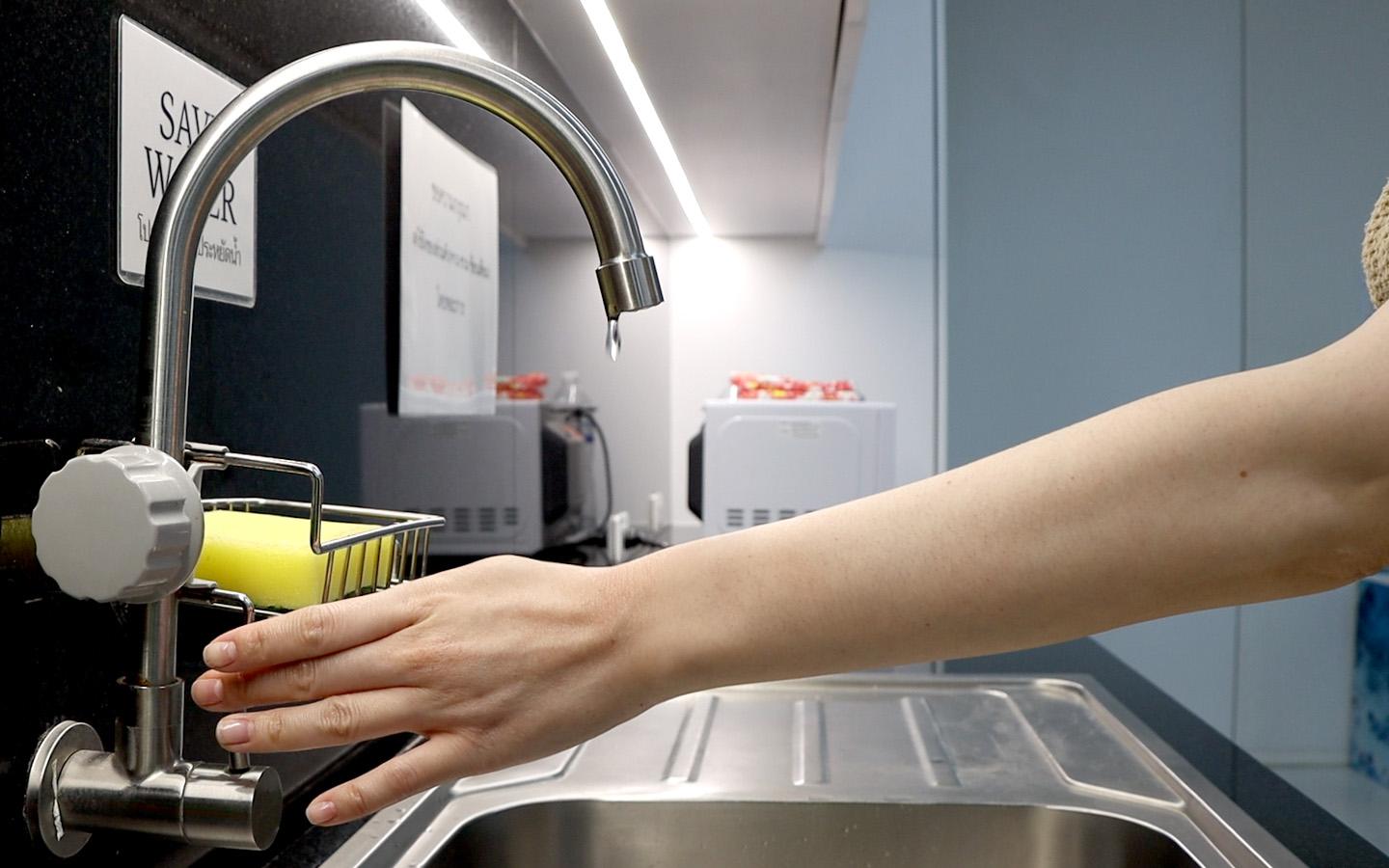
The company also emphasizes internal communication to remind employees to turn off the water when not in use, change the equipment to save more water, such as replacing faucets with automatic sensors, and plan for the inspection and maintenance of the water supply system to ensure its efficiency and readiness for use at all times.
Guidelines for water management in the office
Regularly check faucets, bidet sprays, and plumbing pipes for leaks and repair them immediately.
Do not dispose of food scraps, toilet paper, or any other items into sinks and toilets to prevent blockages and conserve water during flushing.
Choose water-saving sanitary ware and install water-reducing devices.
Use personal cups or water bottles instead of plastic cups as for use leftover drinking water to water plants.
Use water from the reservoir for watering plants and water them at appropriate times.
Organize campaigns and training sessions to educate employees on the importance of wise water usage
Water — Withdrawal, Discharge & Consumption
Water Withdrawal, Discharge & Consumption
| Metric |
|---|
| Total water withdrawal (Cubic meters) |
| Total water withdrawal by third-party water (Cubic meters) |
| Total water withdrawal by surface water (Cubic meters) |
| Total water withdrawal by groundwater (Cubic meters) |
| Total water withdrawal by seawater (Cubic meters) |
| Total water withdrawal by produced water (Cubic meters) |
| Percentage of wastewater treated before discharge (%) |
| Total water discharge (Cubic meters) |
| Total water discharge to third-party water (Cubic meters) |
| Total water discharge to surface water (Cubic meters) |
| Total water discharge to groundwater (Cubic meters) |
| Total water discharge to seawater (Cubic meters) |
| Total water consumption (Cubic meters) |
| Recycled water (Cubic meters) |
Water — Targets
Has Set Targets
Yes
Targets
| Target | Base Year | Target Year | Target Change (%) | Unit |
|---|---|---|---|---|
| Reduction of water withdrawal | 2,025 | 2,026 | 10 | Cubic meters |
Water — Performance & Outcomes
Has Performance Results
Yes
Performance Description
Performance for water management
The goal is for the company to reduce its water costs by 10% from the base year by 2025 and to strive for more efficient water reuse projects.
Compare water usage targets | Year 2025 |
Comparison of expenses from the previous year, Head Office only (Baht) | +3,876.45 |
Comparison of expenses against target (%) | -19.62 |
Past and present year water usage expenses
Year 2024* | Year 2025** | |
Water usage cost (Baht) | 19,755.02 | 164,157.28 |
*Head Office only **Including subsidiaries (Head Office only: 23,631.47 THB) Although water usage in 2025 is still not meeting the target due to the increasing number of employees, efforts are being made to reduce consumption compared to the previous year by continuously implementing water conservation campaigns within the office building.
Waste — Plan & Guidelines
Has a Waste Management Plan
Yes
Plan Description
Policy for waste management in business processes
The company prioritizes the concept of a circular economy with the goal of reducing new waste generation. Reduce waste sent to landfills and increase reuse through efficient waste segregation within the organization. Support the adoption of technology to enhance efficiency and reduce waste in business processes as much as possible. The company remains committed to carefully developing its inventory management system to reduce the quantity of expired products in stock, which will contribute to reducing the amount of waste disposed of by landfilling. This is coupled with a plan to study and design environmentally friendly packaging including foster a culture and good awareness among employees regarding environmental impact.
Guidelines for waste management in business processes
Focus on improving production processes with automated technology to enhance output efficiency and reduce waste at the source.
Promote waste segregation at the source for proper collection and disposal.
Support the implementation of the 5Rs principles in all operational stages.
Emphasize strict management of hazardous waste to ensure no impact on communities and the planet.
Foster good awareness among employees through public relations and various activities.
Waste — Generation, Disposal & Recycling
Waste Generation, Disposal & Recycling
| Metric | Current Year |
|---|---|
| Total waste generated (Kilograms) | 63 |
| Non-hazardous waste (Kilograms) | 63 |
| Non-hazardous waste - Landfilling (Kilograms) | |
| Non-hazardous waste - Incineration (with energy recovery) (Kilograms) | |
| Non-hazardous waste - Incineration (without energy recovery) (Kilograms) | |
| Non-hazardous waste - Other disposal operations (Kilograms) | |
| Hazardous waste (Kilograms) | |
| Hazardous waste - Landfilling (Kilograms) | |
| Hazardous waste - Incineration (with energy recovery) (Kilograms) | |
| Hazardous waste - Incineration (without energy recovery) (Kilograms) | |
| Hazardous waste - Other disposal operations (Kilograms) | |
| Total reused/recycled waste (Kilograms) | 63 |
| Reused/Recycled non-hazardous waste (Kilograms) | 63 |
| Reused non-hazardous waste (Kilograms) | 0 |
| Recycled non-hazardous waste (Kilograms) | 63 |
| Reused/Recycled hazardous waste (Kilograms) | 0 |
| Reused hazardous waste (Kilograms) | 0 |
| Recycled hazardous waste (Kilograms) | 0 |
Waste — Targets
Has Set Targets
Yes
Targets
| Waste Type | Disposal Approach | Target | Base Year | Base Year Value | Target Year | Target Year Value | Unit |
|---|---|---|---|---|---|---|---|
| Non-hazardous waste | 2759 · Description: Recycle | Increase waste utilization | 2,025 | 500 | 2,027 | 1,000 | Kilograms |
Waste — Performance & Outcomes
Has Performance Results
Yes
Performance Description
Since relocating its headquarters to the Chetchote Building in mid-2023, the Company has participated in waste management projects with the building, including the "Paper Merci..Separate, Exchange, Recycle" project. This project promotes employee awareness of the value of resource wisely by encouraging waste separation at the source.
The second project, "Think Before Trash, Throw Away Plastic" encourages employees in the building to separate plastic bottles for recycling. Details of these projects are as follows:
“Net Zero : How many you spent, you must return”
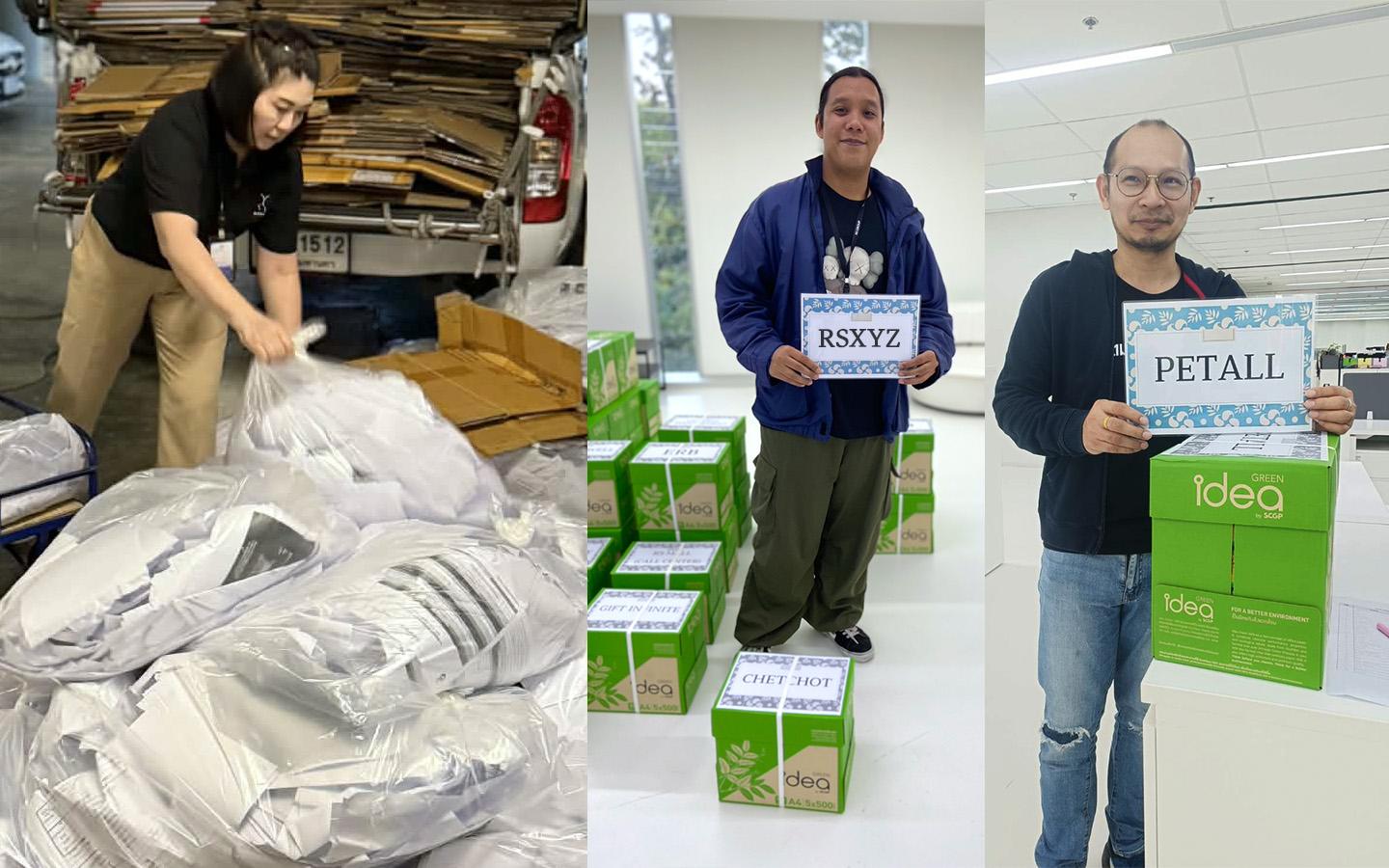
1. “NET ZERO : Paper Merci..Separate, Exchange, Recycle”
Target group: All employees at the company's head office
Objective: To promote paper separation at the source, so that waste generators recognize the value of used resources. Separating paper waste from other waste will increase the rate and quality of paper recycling in the country.
Duration of the project: From 2023 onwards.
Expectations:
Quantitative: Sorting and recycling 100 kilograms of paper annually.
Qualifying: Approximately 40 employees within the organization will have a good awareness of paper sorting and know how to use resources efficiently.
Implementation:
The project was implemented in collaboration with SCG Packaging Public Company Limited, a partner with expertise and knowledge in proper paper sorting.
The information was disseminated throughout the organization through various activities and communication channels, including bulletin boards, internal emails, and employee desktop screens, to ensure all employees have proper knowledge of paper sorting.
Encourage all employees to participate in collecting used paper and placing it in the designated collection boxes located throughout the area.
Send the collected paper to a certified recycling plant for proper recycling.
Prepare performance and environmental reports for submission to the sub-committees and the company board. Evaluate the value of old paper and exchange it for new A4 size paper for reuse in the office. The new paper will be allocated to each department in proportion to the amount of old paper submitted.
Summary of operating results :
Operation Results : | Year 2025 |
Paper entered into the recycling process (kilograms) | 50 |
Achievement of 100 kg. target (percentage). | 50 |
Reduce tree cutting (trees) | 1 |
Reduce carbon dioxide emissions (kgCO2e) | 135 |
Reduce water usage (liters) | 1,575 |
Reduced fuel consumption (liters) | 15 |
Reduced electricity consumption (kilowatts) | 205 |
Replacement paper usage (sheets) | 10,000 |
Cost savings for the company (Baht) | 2,300 |
Therefore, 2025 marked another successful year for this project, achieving 50% of the target. Paper from the project was distributed back to various departments within the office, allowing everyone to participate in cost reduction and share in the success. The initiative also promoted waste sorting at the source and the responsible use of resources in daily life.
2. “NET ZERO : Think Before Trash, Throw Away Plastic”
A small beginning with a big impact, from the journey of plastic bottles in the office to environmental stewardship,
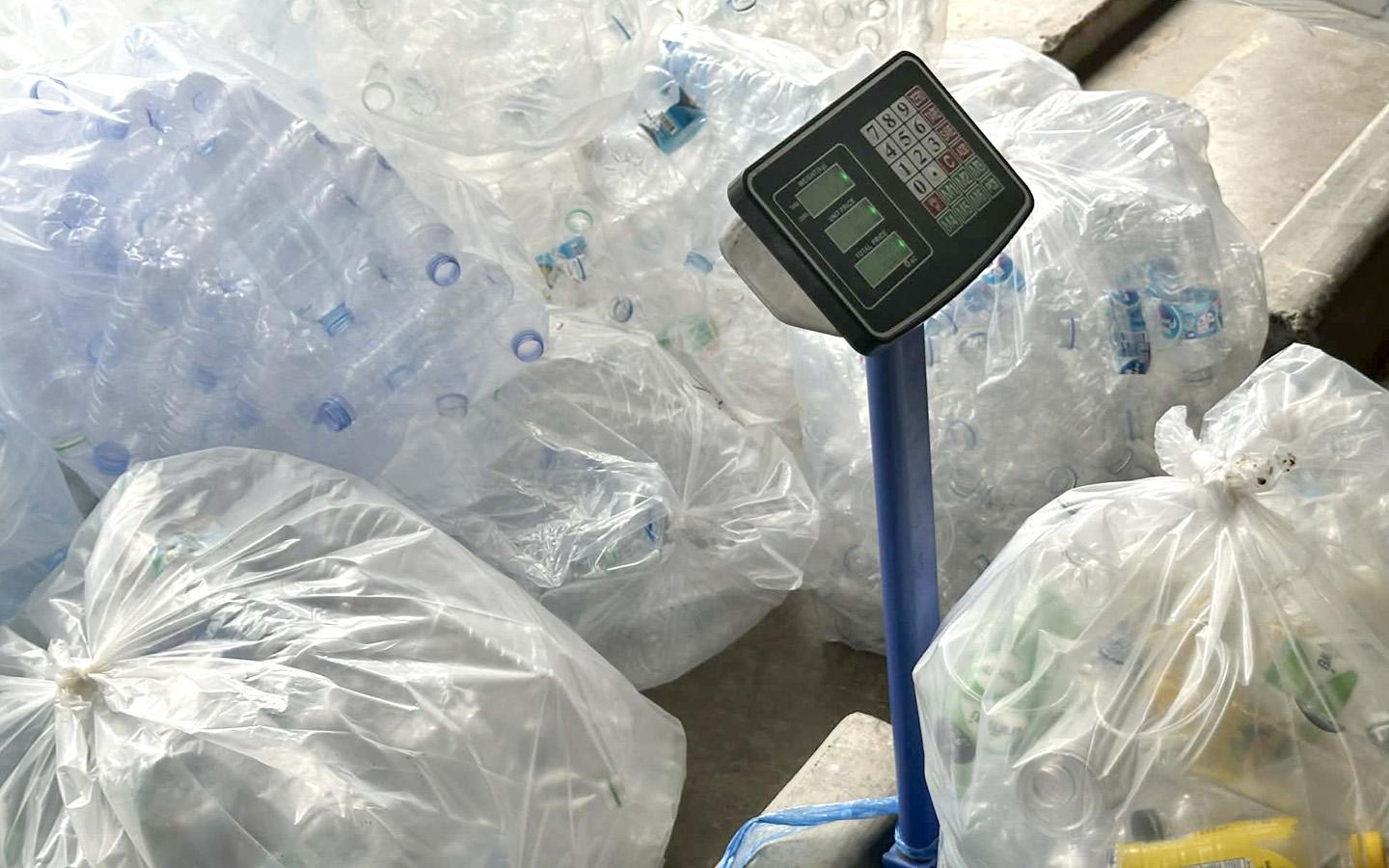
we initiated the "Net Zero: Think Before Trash, Throw Away Plastic". This campaign encourages employees to separate PET plastic waste (symbol No. 1), directly contributing to waste separation at the source and recycling, while donating all proceeds, without deduction of expenses, to various environmental conservation support projects.
Target group: All employees at the company's head office
Objective: Promoting plastic segregation at the source, including separating PET plastic waste from other types of waste, will increase the rate and quality of plastic recycling that is not currently possible.
Duration of the project: From 2023 onwards.
Expectations:
Quantitative: Sorting and recycling 20 kilograms of paper annually.
Qualifying: Approximately 40 employees within the organization will have a good awareness of plastic sorting and know how to use resources efficiently.
Implementation:
The project will be implemented in collaboration with Recycle Day groups or partners who have expertise and knowledge in plastic sorting.
The project will be disseminated throughout the organization through activities and various media communications to ensure all employees have proper knowledge of plastic sorting.
Encourage all employees to participate in collecting used plastics and placing them in designated collection boxes at various locations.
Send the collected plastics to certified factories for recycling.
Assess the value of the plastics, process them, and return the benefits to society and the environment in various appropriate ways.
Summary of operating results :
Operating result | Year 2025 |
Plastic recycled (kg.) | 13 |
Achievement of 50 kg. target (%) | 65 |
Reduction in deforestation (trees) | 1 |
Reduction in carbon dioxide emissions (kgCO2e) | 27 |
Therefore, 2025 marked another successful year for this project. In collaboration with the building owner, a sum of 134,160 baht was donated to the “Whale in My Heart” project, aimed at conserving Bryde's whales and other rare marine animals, through the Faculty of Fisheries, Kasetsart University. This revenue came from the sale of bags made from recycled fibers in the Net Zero project is committed to creating change for society and the environment, promoting the concept of waste separation at the source and the responsible use of resources in daily life. It also focuses on transforming business processes while simultaneously implementing effective environmental management.
GHG — Plan & Guidelines
Has a GHG Management Plan
No
GHG — Emissions
GHG Emissions
| Metric |
|---|
| Total GHG emissions (Metric tonnes of carbon dioxide equivalent) |
| Total greenhouse gas emissions 1 (Metric tonnes of carbon dioxide equivalent) |
| Total greenhouse gas emissions 2 (Metric tonnes of carbon dioxide equivalent) |
| Total greenhouse gas emissions 3 (Metric tonnes of carbon dioxide equivalent) |
GHG — Emissions Verification
Emissions Verified by a Third Party
No
GHG — Targets
Has Set GHG Targets
No
GHG — Performance & Outcomes
Has Performance Results
No
Environmental Legal Incidents
Legal Violation Incidents
| Metric | Current Year | Previous Year | Two Years Ago |
|---|---|---|---|
| Number of cases or incidents of legal violations or negative environmental impact (cases) | 0 | 0 | 0 |
Social Sustainability — Overview
Introduction
Policy for social management
The Company recognizes the importance of conducting business on a foundation of strong society and community,
and is committed to growing and developing together. Therefore, it prioritizes social operations, which are not limited to internal society or employees, but also extend to external society, including partners, customers, communities,
and the overall social conditions of the country. This encompasses fair treatment and care for employees, ensuring employee health and safety, developing personnel within the organization, engaging in public benefit activities,
and systematically handling various complaints.
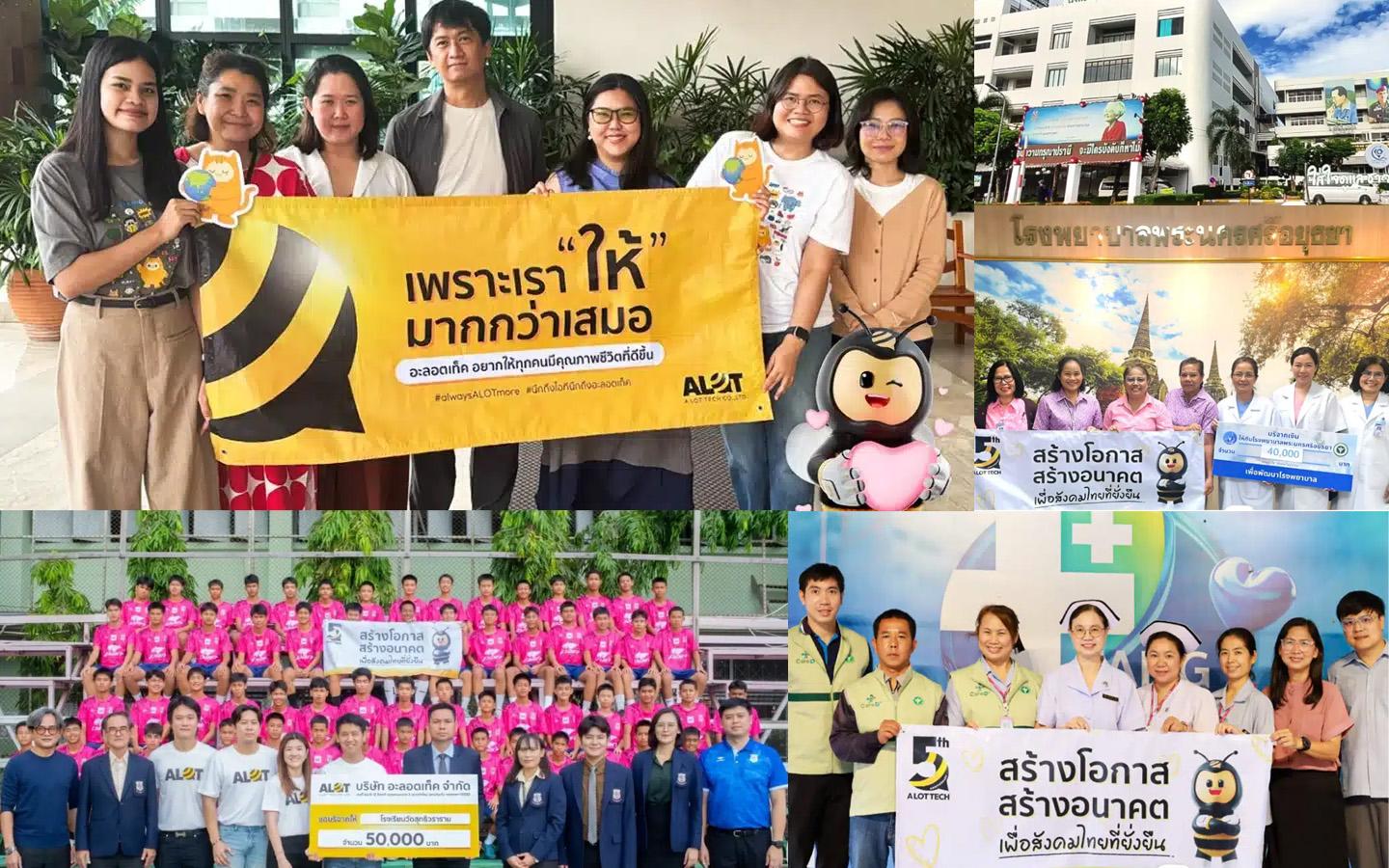
In 2025, the Company reviewed its social policies and practices, establishing a framework and strategy as "Enhance Health and Wellbeing" and "Contribute to Social Investment," such as supporting education, culture, and local job creation. This also includes fostering understanding and awareness of environmental conservation among employees, enhancing employee potential, ensuring fair labor practices, managing and transferring knowledge to people in society, while also considering consumer responsibility, and creating and delivering shared value through various channels covering all stakeholders.
Guidelines for social management
Strictly adhere to all laws, regulations, and practices related to society and community.
Regularly review policies, management plans, and monitor social and community performance.
Support the use of business innovations to enhance the quality of life for people in society.
Promote the integration of social and community impact assessments into the supply chain.
Disclose the Company's social and community information accurately and transparently through appropriate channels.
Provide knowledge and support activities that foster awareness among employees and people in society to be responsible towards society and community.
Operating Results — Introduction
Social impact assessment
The Company has assessed the potential for both positive and negative impacts arising from its current business operations and future projects, taking into consideration effects on people, communities, livelihoods, culture, and the economy. The Company has clearly identified and prioritized its stakeholders. The assessment indicates that there are no urgent or severe social issues that could significantly impact the Company in the near term. Nevertheless, during the year, the Company established appropriate and sufficient guidelines for social and community engagement activities in line with occupational health and safety principles, and initiated the development of long-term targets related to other relevant social issues.
Social performance
The Company regularly monitors and evaluates its compliance with applicable laws, regulations, and practices related to social aspects to ensure that employees and relevant parties are properly informed and fully compliant.
In 2025, the Company’s key performance results are as follows:
No complaints from stakeholders regarding violations of social laws and regulations
No complaints from stakeholders regarding violations of anti-corruption policies
No complaints from employees regarding misconduct or violations of the Company’s Code of Conduct
No disputes or legal judgments related to violations of social laws and regulations
No fines or penalties incurred from violations of social laws and regulations
Human rights impact assessment
In 2025, the Company conducted a human rights risk assessment and reviewed fair labor practices, including workplace health and safety conditions. The assessment found no significant human rights risks within the supply chain that could materially impact the Company in the near term.
Key findings include:
No risk of discrimination against suppliers’ employees or workers
No risk related to occupational health, safety, and working conditions for suppliers’ employees
No risk of unfair or unlawful compensation practices for suppliers’ employees
No risk related to child labor, female labor exploitation, migrant labor issues, or forced labor
However, the Company continues to monitor and assess such risks on an ongoing basis and ensures compliance with all applicable labor laws and regulations.
Grievance mechanism for human rights violations
Procedures
Employees who experience dissatisfaction or grievances related to their work may submit a complaint to their direct supervisor or a higher-level supervisor within 7 days from the date the issue arises. If the grievance involves the direct supervisor, it should be submitted to the next higher level. Complaints must be submitted using the Company’s prescribed form. Failure to comply with the specified timeframe or procedures will be deemed as no complaint being filed or the complaint being considered void.
Investigation and consideration
Upon receiving a complaint, the supervisor must promptly conduct a thorough investigation. The complainant is required to provide detailed information. If the matter falls within the supervisor’s authority, it must be resolved promptly, and the complainant will be informed accordingly, with a report submitted to the Company. If the matter exceeds the supervisor’s authority, it will be escalated along with recommendations to higher management. Each level of management must process the complaint within 7 working days.
Resolution process
Once the complaint has been addressed, the complainant will be informed. If satisfied, the process is concluded. If no response is received within the specified timeframe or the resolution is unsatisfactory, the complainant may file an appeal using the prescribed form to an authorized director within 7 days. The decision of the authorized director shall be final.
Whistleblower protection mechanism
The Company emphasizes confidentiality, safety, and fairness for whistleblowers by providing secure and diverse reporting channels. All information is kept strictly confidential and disclosed only when necessary. The Company ensures that whistleblowers acting in good faith will not face retaliation, adverse employment consequences, or any form of harassment.
Remediation for affected parties
In cases where violations are identified, the Company provides both monetary and non-monetary remedies, taking into account the severity of the impact to ensure appropriate and fair relief for affected parties.
Social and human rights performance
In 2025, the Company’s key results are as follows:
No complaints from stakeholders regarding violations of human rights laws and regulations.
No disputes or legal judgments related to human rights violations.
No fines or penalties incurred from violations of human rights laws and regulations.
Social Policy & Guidelines
Introduction

Policy for human rights
The Company recognizes the importance of human rights as fundamental rights and freedoms that individuals should possess. It adheres to ethical, fair, and equal treatment of employees, workers, and laborers in accordance with labor laws, rules, regulations, and various labor-related provisions, for both Thai and foreign workers. Emphasis is placed on respecting human dignity, rights, freedoms, and equality of individuals, without discrimination based solely on physical differences, race, nationality, religion, gender, language, age, education, and social status, including women, persons with disabilities, and other disadvantaged groups. The Company does not support oppression, does not employ child labor below the legally prescribed age, does not use forced labor, and opposes all forms of human trafficking. This policy covers all employees within the company and all stakeholders in the business's value chain.

Guidelines for human rights
Strictly comply with all laws, regulations, and practices related to human rights and labor treatment.
Regularly review policies, management plans, and monitor the performance of human rights and labor practices.
Promote appropriate self-development opportunities for all workers to enhance their quality of life.
Promote the integration of human rights impact assessments and labor practices into the business value chain.
Disclose information on human rights and labor practices of the company accurately and transparently.
Provide knowledge and support activities that raise awareness among employees and people in society to foster overall social responsibility.
Provide channels for complaints regarding human rights violations and labor practices, to prevent and mitigate impacts.
Familiarize yourself with the policy components.
Diversity refers to the visible and invisible differences among people, whether they are differences in physical
and mental condition, race, gender, age, knowledge, values, culture, beliefs, religion, thoughts, language,
or any other matter according to the laws of each country and the treaties that each country is obligated to comply with.Equity refers to equality in rights and freedoms in life, based on the idea that no one is inferior to others,
have equal access and participation, without being excluded, segregated, or discriminated against.Inclusion means valuing and accepting the differences among people who must coexist in society.
Policy for diversity, equity, and inclusion
We are committed to adhering to the provisions outlined in the Human Rights Policy, which also includes respecting diversity and accepting differences among people. The Board of Directors deems it appropriate to establish policies and guidelines for the Board, executives, and employees at all levels, with details as follows:
Promote equal treatment for all, respect diversity and accept differences among people, and non-acceptance of
against segregation and discrimination, both towards internal personnel and external society.Strengthen the culture to be a model of respecting diversity and accepting differences among people.
Promote and provide support to business partners in the business value chain, suppliers of goods and services, contractors, and joint ventures, to ensure their participation in business operations. ethically, respecting and treating people according to this policy.
Guidelines for diversity, equity, and inclusion.
To ensure that business operations manage diversity and accept differences among people in accordance with human rights principles. This includes guidelines to serve as a framework for all products and services, and business activities (Direct Activity), as well as business partners in the business value chain and joint ventures, covering the following key issues:
Treat each other equally, respect diversity and accept differences among all people, listen to and encourage
the expression of diverse opinions, and create a positive working atmosphere and organizational culture.Consider respect for diversity and the acceptance of differences among people as part of the business strategy, which will Promote initiatives and business development for RS Group.
Executives, supervisors, and leaders at all levels within RS Group support and promote respect for diversity and the acceptance of differences among people throughout the organization.
Promote the recruitment of company board members or individuals for various positions within RS Group by incorporating diversity and the acceptance of differences among people as contributing factors in the consideration process, to appropriately select directors at all levels.
Strictly apply the principles of respecting diversity and accepting differences among people in human resource management, from employee recruitment and selection, employee development, career advancement, performance management, and compensation. retirement, and others.
Communicate, disseminate knowledge, foster understanding, establish guidelines, and provide other support to business partners in the business value chain, suppliers of goods and services, contractors, and joint ventures, to ensure their participation in business operations that comply with human rights principles.
Exercise caution in performing duties to prevent the risk of violating people's rights. Do not neglect or ignore actions that constitute a violation of the rights of relevant individuals must be reported to supervisors or responsible persons, and cooperation must be provided in verifying facts.
Ensure fairness and protection for individuals who report violations of the rights of relevant persons, by implementing measures to protect whistleblowers or those who provide cooperation, as stipulated in the grievance mechanism and mitigation measures.
Policy for equal welfare
We support the participation and equal treatment of all diverse groups, emphasizing the development of our employee care policies and expanding various benefits to reflect the long-standing diversity and equity within RS Group, making them more comprehensive and clear, as follows:
Leave for wedding ceremonies and/or marriage registration. Employees are entitled to this leave for both heterosexual and same-sex marriages. same-sex, with 3 days of paid leave.
Marriage support fund. Employees will receive a 5,000 Baht fund to celebrate both marriages. between male-female and same-sex marriages.
Leave for gender affirmation surgery. Employees are entitled to paid leave for gender affirmation surgery, not exceeding 45 days.
Policy for non-discriminatory diverse employment
Diversity and inclusion are integral parts of the culture at RS Group. We aim to foster a working culture that creates opportunities for equality for all, where people are treated with dignity and mutual respect. This enables us to leverage the unique skills, knowledge, and experiences of our diverse employees. We have adopted various laws and international standards, such as the Guiding Principles on Business and Human Rights, the humanitarian and rights principles of the International Labour Organization, and the United Nations Global Compact, as guidelines for treating
all employees equally, to reduce the risks arising from discrimination or human rights violations against our employees.
By prioritizing compensation and welfare policies for all employees. Employees will undergo a review of their management. compensation with meticulous care to prevent the risk of bias, discrimination, or inequality.in processes related to performance evaluation and compensation. Furthermore, the importance of managing salary ratios and basic compensation between men and women to be as minimal as possible, based on maintaining balance and equality according to employee capabilities, performance, and job value, and also have a policy for considering annual salary adjustments and bonus payments based on employee capabilities. and aims to inspire and motivate a sense of love and attachment to the organization, in order to retain talented personnel. ability to work together to create success and grow sustainably.
Discrimination and harassment of the rights of others.
When people are diverse and their ability to accept diversity varies, therefore, not accepting those who are different from us thus always occurring, leading to discrimination and harassment of the rights of others (Discrimination and Harassment) whom we perceive as different or not in the same environment as us. Discriminatory and harassing behaviors manifest in various forms, ranging from verbal teasing and joking to acts of violence, such as physical assault. Legally, these behaviors are considered offenses. Offenders are liable to penalties commensurate with the severity of their behavior.
Discrimination refers to any action that creates distinction, exclusion, or preference based on people's diversity, such as age, gender, or physical characteristics, which results in the loss of opportunities and equality in employment or occupation for that person.
Harassment refers to any behavior or action towards another person that causes feelings of threat, abuse, or contempt. based on people's diversity (Social Bullying), which causes individuals to lose happiness and comfort in coexisting with others in society, such as verbal expressions, gestures or eye contact, physical touch, or sending messages. through various media as well.
Creating a suitable working environment.
We recognize that employees are a key factor in success, hoping that we will be one of the most desirable organizations to work for, and that everyone can work together happily. Therefore, importance is placed on managing safety, occupational health, and the working environment, whether it pertains to personal safety or safety related to business operations. All activities must undergo careful risk assessment by knowledgeable and competent individuals, with appropriate control and prevention measures established, and close monitoring of implementation, to prevent losses or impacts on employees and all relevant stakeholders, including a commitment to managing diversity and
Promote the acceptance of differences among people by respecting fundamental individual rights, providing opportunities, and treating each other equally. including the elimination of all forms of discrimination and harassment against each other.
Has a Social Policy
Yes
Policy Description
Social and human rights policy
The Company focuses on respecting human dignity, equality, and non-discrimination to ensure that everyone has recognized and emphasized the promotion and protection of human rights both within and outside the organization, alongside ethical principles and good corporate governance. The Company has protected human rights. adhering to legal principles and international standards covering equal treatment of employees, migrant workers, and all stakeholders, especially preventing forced labor and child labor, non-discrimination, and workplace harassment, as well as promoting continuous human rights risk assessments, driven by the "Diversity, Equity, and Inclusion Policy." to align with sustainable development policies and ensure that the Company's business operations are absolutely free from human rights violations.
Social and human rights practices
Non-discrimination, focusing on treating everyone equally. and does not support any activities that violate human rights principles.
Absolute prohibition of forced labor, human trafficking, and child labor.
fostering a safe environment for everyone's physical and mental well-being.
Promote human rights due diligence in the supply chain through communication and policy dissemination to business partners and associates to ensure adherence to the same standards.
Drive comprehensive human rights risk assessment and review processes to address and remedy impacts if violations occur, and to establish measures to prevent recurrence.

Employee rights
In Thailand, employees or workers receive fundamental rights under the "Labor Protection Act." which is considered labor law. enacted to establish minimum standards for employment. to create fairness between the Company and its employees. which covers various employee rights. The Company continues to operate as required by law, as follows:
Wages must be in accordance with what was agreed upon in the employment contract, whether it is daily, monthly, or other forms of employment.
Working hours: Generally, the Labor Protection Act stipulates working hours not exceeding 8 hours per day and 48 hours per week. For work that is hazardous to health, it must not exceed 7 hours per day and 42 hours per week. Employees are entitled to a rest period of at least 1 hour per day after the first 5 hours of work. However, if the Company and employees agree in advance, each rest period may be less than 1 hour but not less than 20 minutes per instance, and the total must not be less than 1 hour per day. In some cases where work must be continuous, the Company may arrange for no rest. Leave can be taken but requires prior consent from the employee.
Leave is a fundamental right that employees can exercise as needed. The Company is still required to pay wages as stipulated by law, as follows:
Sick leave: Can be taken for no more than 30 days per year with normal pay. If sick leave exceeds 3 consecutive working days, a medical certificate must be presented.
Personal leave: Employees may take leave for essential personal matters with pay, the number of days depending on the Company's policy.
Maternity leave: Female employees have the right to take maternity leave before or after childbirth for no more than 90 days, with pay for no more than 45 working days.
Sterilization leave: Employees may take leave for sterilization for the period prescribed by a doctor, with full pay for the days taken.
Military service leave: Male employees called for military training can take leave for the number of days called, not exceeding 60 days per year, with normal pay.
Holidays are designated days for employees to rest. According to the Labor Protection Act, they are divided into 3 categories as follows:
Weekly holiday: Employees are granted at least 1 day off per week, and each holiday period must not be separated by more than 6 working days.
Traditional holidays: or “Public Holidays,” the Company designates no less than 13 days per year (including Labor Day). Employees have the right to take holidays on public holidays stipulated by law, such as New Year's Day, National Labor Day, Songkran Festival, etc.
Annual leave: Employees who have completed 1 year of service are entitled to at least 6 days of annual leave, which can be mutually agreed upon with the Company.
Overtime compensation: Employees have the right to receive compensation as stipulated by law, as follows:
Overtime work on normal working days: receives wages no less than 1.5 times the hourly rate.
Work on Holidays: receives wages no less than 1 time.
Overtime work on holidays: receives wages no less than 3 times the hourly rate.
Wrongful termination. Conditions have been clearly stipulated that notice must be given at least one pay cycle in advance. If no advance notice is given, severance pay in lieu of notice must be paid, with the following compensation rates:
Employees who have completed 120 days but less than 1 year of service: receive severance pay equivalent to 30 days' wages.
Employees who have completed 1 year but less than 3 years of service: receive severance pay equivalent to 90 days' wages.
Employees who have completed 3 years but less than 6 years of service: receive severance pay equivalent to 180 days' wages.
Employees who have completed 6 years but less than 10 years of service: receive severance pay equivalent to 240 days' wages.
Employees who have completed 10 years but less than 20 years of service: receive severance pay equivalent to 300 days' wages.
Employees who have completed 20 years or more of service: receive severance pay equivalent to 400 days' wages.
Labor utilization: The scope of labor utilization has been clearly defined to prevent physical and mental harm from work, as follows:
Female labor: Pregnant female employees are prohibited from working between 10:00 PM and 6:00 AM, and from working overtime or on holidays, as well as from working in hazardous areas.
Child labor: Employment of children under 15 years of age is prohibited. In cases where children under
18 years of age are employed, notification must be given to the labor inspector. Furthermore, they are prohibited from working between 10:00 PM and 6:00 AM, and absolutely no overtime work is allowed
(details are provided under the "Child Labor" section).
Social security is a social security system established by the state to help workers receive protection and replacement income when facing various risks. where employees, employers, and the government jointly contribute to a protection fund covering 7 cases: illness, childbirth, disability, death, unemployment, child welfare, and old age.
Basic welfare provided by the Company includes sufficient clean drinking water, hygienic restrooms, a safe workplace, and first-aid equipment, etc.
In addition to legal rights, the Company also has Providing additional welfare and benefits to employees, as follows:
Financial assistance welfare from the Company
Funeral assistance for the loss of an employee's spouse, child, father, and mother.
Financial assistance for employees' wedding ceremonies, without gender restriction, according to the Company's equal welfare criteria.
Housing loan welfare with banks: The Company and the Government Housing Bank have entered into a joint agreement to provide housing loan welfare, allowing employees who wish to purchase their own homes to apply for a loan with the Government Housing Bank. Employees will receive special interest rates and loan amounts.
Other benefits are listed under the heading "Information on Employees and Labor."
Rights of migrant workers/foreign workers
The Company adheres to principles of equality, human dignity, and international standards. Foreign workers will receive legal protection similar to Thai workers, with specific laws and measures aimed at protecting the rights and safety of foreign workers. This will be in accordance with the "Emergency Decree on the Management of Foreign Workers Employment B.E. 2560 (2017) (and its Amendment No. 2 B.E. 2561 (2018))" to prevent human trafficking and forced labor. Foreign workers will have the following rights:
Right to receive wages
Foreign workers have the right to receive wages no less than the minimum wage stipulated by law,
similar to Thai workers.The Company must pay wages on time and in full.
Right to working hours and rest periods
Working hours: Not exceeding 8 hours per day or 48 hours per week.
Rest period: Must have at least 1 hour of rest if working more than 5 hours.
Overtime hours: Must be with the consent of the worker, and overtime pay must be provided according
to the law.
Right to leave
Weekly holiday: At least 1 day per week.
Traditional holidays: At least 13 days per year, including Labor Day.
Annual vacation leave: Entitled to leave after completing 1 year of service, no less than 6 days per year.
Sick leave: Can be taken as needed with pay, not exceeding 30 days per year.
Maternity leave: 90-day maternity leave for female workers
Right to health protection
Properly registered foreign workers will receive protection from social security or foreign worker health insurance.
Have the right to receive medical treatment at designated hospitals.
Right to safety at work
The Company provides a safe workplace and protective equipment for foreign workers.
If injured or deceased due to work, foreign workers or their families have the right to receive compensation.
Right to termination and severance pay
Foreign workers have the same right as Thai workers to receive severance pay in cases of wrongful termination.
Termination must be notified in advance and have reasonable grounds.
Prevention of exploitation
Migrant workers have the right to refuse work that violates the law, such as being forced to work overtime, being assigned unsafe work, involvement in child labor, or human trafficking, among others.
If an employer violates rights, a complaint can be filed with the Department of Labor Protection and Welfare.
Right to change employers
Foreign workers with valid work permits have the right to change employers in certain cases, such as employer bankruptcy or not receiving wages as per the contract.
Legal protection
Foreign workers have the right to protection under the Foreign Workers Employment Act B.E. 2551 (2008).
The Company will not confiscate personal documents such as passports or work permits.
Right to social security membership
Foreign workers have the right to apply for social security membership and receive benefits such as medical expenses, unemployment compensation, or pensions.
Child labor rights
The Company adheres to principles of equality, human dignity, and international standards. The Company's business may require human resources of various age groups to produce suitable work, such as participating in off-site events. There are specific laws and measures aimed at protecting the rights and safety of child labor will be in accordance with the "Labor Protection Act B.E. 2541 (1998) (Amended)" to prevent human trafficking and forced labor. Child workers will have the following rights:
Do not employ children under 15 years of age.
According to Section 44, employers are prohibited from employing children under 15 years of age.
In cases where children under 18 years of age are employed.
Employers must notify the labor inspector within 15 days from the date the child starts work and notify the termination of the child's employment to the labor inspector within 7 days from the date the child leaves work. Employers must provide a 1-hour rest period per day within the first 4 hours of work and allow for shorter rest periods as determined by the employer.
Employers are prohibited from employing children under 18 years of age. working between 10:00 PM and 6:00 AM, unless authorized.
Employers are prohibited from employing children under 18 years of age. working overtime or on holidays.
Employers are prohibited from allowing employees under 18 years of age to perform the following work:
Work involving heat, cold, vibration, noise, and light at levels different from normal, which may be hazardous.
Work involving radioactivity. chemicals. microorganisms or toxic substances, explosives, or flammable materials. operating forklifts or cranes.
Work to be performed underground, underwater, in caves, tunnels, or mountain shafts. work to be performed on scaffolding at a height of 10 meters or more above the ground.
Other work as prescribed in ministerial regulations.
Employers are prohibited from allowing employees under 18 years of age to work in the following places:
Slaughterhouses. gambling establishments. places for dancing, Ramwong, or Ronggeng.
Places selling and serving food, liquor, tea, or other beverages, with attendants to serve employees, or with areas for rest and sleep, or massage services for customers.
Other places as prescribed in ministerial regulations.
Employers are prohibited from paying the wages of child employees to any other person.
Employers are prohibited from paying the wages of child employees to any other person.
In cases where an employer pays any money or benefits to a child employee, parent, guardian, or other person in advance before employment, at the time of initial employment, or before each pay period, it shall not be considered payment or receipt of wages for that child employee. Furthermore, employers are prohibited from deducting such money or benefits from the wages that must be paid to the child employee on schedule.
Employers are prohibited from demanding/receiving security deposits from child employees.
According to Section 51 Employers are prohibited from demanding or receiving any security from child employees for any purpose.
Employees under 18 years of age have the right to take leave for reasonable cause.
Employees can take leave to attend meetings, seminars, training, or other activities organized by educational institutions or government or private agencies approved by the Director-General. The employer must pay the child employee wages equal to their working day wages for the entire leave period, but not exceeding 30 days per year.
However, in 2025, there will be no employment of children under 18 years of age as permanent employees of the Company or within the Company's supply chain.
Consumer/customer rights
The Company adheres to principles of equality and international standards, with the primary goal of ensuring consumers/customers that the Company will not exploit them through its operational processes, covering responsible production and service delivery, communication of product and service information to customers and consumers, as well as developing satisfaction and protecting customers' personal data. Consumer or customer rights will be in accordance with the "Consumer Protection Act B.E. 2522 (1979) (Amended)," covering 5 key rights: the right to accurate information, freedom of choice, safety, fairness in contracting, and compensation for damages when rights are violated. Consumers/customers will have the right to are as follows:
Right to receive information, including Accurate and Sufficient Quality Descriptions of Goods or Services: This includes the right to receive advertising or labeling that is truthful and harmless to consumers, as well as the right to receive accurate and sufficient information about goods or services to avoid being misled into purchasing or receiving services unfairly.
Right to freedom in choosing goods or services: This includes the right to receive goods or services voluntarily by the consumer and without unfair inducement.
Right to safety from using goods or services: This includes the right to receive safe goods or services that meet standard conditions and quality, are suitable for use, and do not pose danger to life, body, or property, when used according to instructions or with due care appropriate to the nature of the goods or services.
Right to fairness in contracting: This includes the right to receive contract terms without being exploited by business operators.
Right to consideration and compensation for damages: This includes the right to protection and compensation for damages when rights are violated by consumers as per items 1, 2, 3, and 4 mentioned above.
The five consumer rights stipulated by law will be fully realized only when consumers act as follows:
Consumer responsibilities before purchasing goods or services
Consumers should exercise reasonable caution when purchasing goods and services, for example, by checking labels, quantity, and price whether it is fair or not. Do not trust advertisements without careful consideration, and seek additional information about quality, origin and the characteristics of the product are true as advertised. If there are doubts or uncertainties, careful consideration should be given beforehand.
When entering into a legally binding contract by signing, consumers must check the clarity of the language used to ensure it is precise and fully grants rights to consumers as negotiated, and whether any contract terms are unfair to consumers. If there is any doubt about legal clauses or uncertainty about the clarity of the contract, one should consult a knowledgeable person beforehand.
Any agreements intended to be legally binding should be made in writing and signed by the business operator.
Consumer responsibilities after purchasing goods or services
Consumers have the duty to preserve various pieces of evidence demonstrating the violation of consumer rights in order to make claims. Such evidence may include products showing that the quantity or quality does not meet the standards specified on the label, or that they are dirty or toxic, potentially causing harm from the use of such goods or services. The place where the goods or services were purchased should also be noted for the complaint.
In cases where a written contract is made with a business operator, all contract documents, including advertising materials and receipts, must be kept also receive money.
When consumer rights are violated, consumers have the duty to file complaints in accordance with their aforementioned rights.
Complaints in case of violation
File a complaint through the channels provided by the Company.
File complaints through various regulatory agencies, such as the Office of the Consumer Protection Board, or the Food and Drug Administration, etc.
Community and environmental rights
The Company considers granting equal and comprehensive rights to all stakeholders. Community and environmental rights are based on the principle that everyone should have the right to livelihood, the right to life as a moral value system, and community rights also extend to other rights according to changing relationships, such as the right to humanity or human dignity, etc. Community rights contribute to fair and sustainable development. Community rights typically focus on two aspects: the right of communities to conserve culture, traditions, and way of life, and the other aspect is community rights in natural resource conservation. to create life stability and live together in a good and sustainable environment.
Community and environmental rights are fundamental constitutional rights to protect quality of life, health, and ecosystems from the Company's development projects that may have severe impacts. Communities will have the right to are as follows:
Right to resource management: Communities have the right to conserve, restore, manage, and utilize natural resources and biodiversity in a balanced manner.
Participation and public hearings: Communities have the right to express opinions on the Company's development projects that may affect environment and community health. This requires an impact assessment (EIA/EHIA) and a public hearing process before implementation.
Right to sue: Communities can sue government agencies to compel them to perform their duties in environmental protection.
Right to a good environment: The right to live in a clean, safe environment that does not pose health hazards.
Rights regarding safety and occupational health at work
The Company recognizes that employees are a key factor in its success, and therefore places importance on managing safety, occupational health, and the working environment, whether it be personal safety or safety related to business operations. In all activities that occur must undergo a thorough risk assessment by knowledgeable and competent individuals, with appropriate control and prevention measures established, and close monitoring of implementation to prevent losses or impacts on employees and all relevant stakeholders, while also providing compensation.employees working to their full potential.
The right to safety and occupational health at work is a fundamental legal right under the "Safety Act B.E. 2554 (2011)," ensuring employees a safe working environment, free from dangers to life, body, mind, and health. Operations are divided into two parts: for mental well-being, the Company has a "Diversity, Equity, and Inclusion Policy" which sets guidelines for everyone to coexist happily in the workplace; and for physical care, the Company is responsible for providing appropriate Personal Protective Equipment (PPE), training on safe working methods, and arranging a work environment that reduces risks. which is in accordance with the provisions that strict to prevent potential harm to employees. Employees have rights regarding safety and occupational health at work. are as follows:
Right to information: Employees have the right to be informed about potential workplace hazards, chemicals, and safety manuals.
Right to access protective equipment (PPE): The Company must provide standard personal protective equipment for use. free of charge.
Right to training: New employees must always receive safety training before starting work.
Right to refuse work: Employees have the right to refuse work that lacks safety measures or if they encounter situations that may cause serious danger, can stop working immediately.
Right to health check-ups: Employees must receive appropriate health check-ups based on potential work-related risk factors.
Other rights: Company employees who are insured under Section 33 will receive welfare benefits from social security as per the law may still be insufficient for modern living. Therefore, the Company provides health insurance for employees based on their job level covering medical benefits for both outpatient and inpatient cases, death, and various vaccinations and financial assistance in the form of get-well baskets when employees are ill and hospitalized.
To ensure workplace safety, each party has the following duties:
Company: Must prominently display warning signs and safety regulations, and maintain machinery in safe working condition.
and establish a safety supervision team (JorPor).Employees: Must comply with regulations, wear PPE provided by the employer, and always maintain equipment in good working condition.
The Company places great importance on the holistic well-being of its employees, which includes not only physical health but also mental well-being in the workplace that affects daily responsibilities, expectations, relationships, and stress levels. Therefore, improving the working environment to be safe and adequately convenient will undoubtedly impact employees' overall happiness and health, because when employees feel safe and healthy at work, they are more likely to be more productive, which benefits employees, the Company, and the broader economy. Conversely, if employees are injured or fall ill due to workplace hazards, it can significantly harm economic growth.
Non-discrimination rights
The Company has " Diverse and Non-Discriminatory Employment Policy " with a commitment to managing diversity and promoting acceptance diversity of people, respect for fundamental individual rights, providing opportunities, treating each other equally, and eliminating discrimination and all forms of harassment. Employees have the following non-discrimination rights:
Grow with advancement. Employees are provided with clear career development opportunities through defined career paths. With a flat organizational structure and an agile working approach, most employees have the opportunity to work closely with senior management. The Company adopts an OKR-based performance evaluation system, with clear and measurable goals. This enables high-performing employees- regardless of age or seniority- to gain trust and advance rapidly in their careers.
Grow strong through diverse learning. The opportunity for employees to work in a company with multiple businesses allows them to learn new things across different functions, absorbing work concepts from experienced and diverse management and teams. These things may not be found in textbooks or classrooms. It is an organization that constantly challenges employees to develop themselves and diverse skills, emphasizing learning and supporting employees to leverage their skills and experience for collaborative work.
Grow securely. It is undeniable that comprehensive welfare and benefits make employees feel secure and support their quality of life, both at work and in their personal lives. Therefore, various welfare and benefits are developed equally for all employees such as health insurance, life insurance, or various financial assistance, as well as annual leave starting from 12 days and increasing with years of service. Furthermore, also have the right to personal leave, sick leave, maternity leave, equal marriage leave, or even gender reassignment surgery leave for 45 days. Furthermore, we also consider the environment. At work, there is a modern office with complete facilities, free parking, and employees also get priority access to events or activities within the network.
Grow in a safe and inclusive environment. Equally important is understanding and respecting differences and diversity in the rights, freedom, and equality of employees. Therefore, we are committed to promoting diversity and labor practices that are equality, providing opportunities for all employee groups to fully demonstrate their abilities, and creating a safe working environment for everyone.
Partner rights
The Company is committed to honesty and fairness towards its partners, treating all supply chain partners with procurement processes and contract terms or agreements based on fair returns for both parties, avoiding bias or situations that create conflicts of interest, upholding its duties to partners, and assisting in knowledge transfer, capacity building, and aiming to develop operational standards at an international level, alongside business ethics, labor and human rights practices, quality management, occupational health and safety, community development participation, and environmental protection, as well as monitoring, auditing, evaluating, and developing mutual business knowledge effectively, which Rights and benefits that individuals or organizations as business partners will receive from collaborating with the Company, covering legal aspects, relationships. and operations specified in the contract or mutual agreement. Key partner rights issues are as follows:
Right to management and decision-making: Participation in planning, strategy formulation, and providing recommendations for important decisions as agreed.
Basic right to contract: Partners must receive fair contracts and not be exploited, whether they are individuals or legal entities.
Right to profits and assets: To receive a share of profits or rights to assets proportionally as agreed.
Right to access accurate information: Partners have the right to be fully informed about product/service details and can request to inspect account books, partner registers, and important business documents for transparency.
Right to personal data protection: The right as a personal data owner under the Personal Data Protection Act (PDPA) regarding the use of data to be used appropriately.
Trade privileges: such as receiving special discounts, access to training programs, or collaborative use of technology to enhance capabilities in competition, etc.
Right to protection under the Partner Code of Conduct, such as timely payments or not being subjected to trade discrimination.
Human rights and treatment of partners: Partners must be treated equally, without discrimination based on race, religion, skin color, gender, or age, etc.
Termination of partner rights by Partners are obligated to comply with the "Partner Code of Conduct for Sustainable Development." Failure to comply may result in suspension or termination of partnership with the Company.
Social Guidelines
| Guideline |
|---|
| Employee Rights |
| Migrant Workers |
| Child Labor |
| Consumer Rights |
| Community and Environment Rights |
| Safety and Occupational Health at Work |
| Non-discrimination |
| Business Partner Rights |
Employees — Plan & Guidelines
Has an Employee Management Plan
Yes
Plan Description

Employee and labor management policy
The Company is committed to enhancing employee and labor capabilities while ensuring strong social protection. Effective employee and labor management must encompass both human resource management and labor law compliance. This includes fair compensation and benefits, knowledge sharing, skills development, occupational health and safety, and the promotion of equality and non-discrimination across all groups—including employees, vulnerable groups, migrant workers, and child labor protection. The Company also promotes employee engagement and relations based on respect for human rights throughout the value chain. Digital technologies are adopted to improve workforce management in line with international standards, reduce risks, and enhance operational efficiency—serving as a key driver of sustainable business growth.
Employee and labor management practices
Workforce planning: Analyze current and future workforce needs in alignment with organizational goals, considering headcount, required skills, and appropriate timelines.
Recruitment and selection: Develop strategies to attract suitable talent, including the use of AI and talent marketplaces both internally and externally for hiring, redeployment, or workforce expansion.
Employee development: Implement Individual Development Plans (IDPs) to enhance skills in line with technological changes and organizational goals, in accordance with the Company’s Learning and Development Policy.
Performance management: Establish clear, measurable goals with fair evaluation systems linked to compensation.
Compensation and benefits management: Design competitive salary structures and benefits to attract and retain talent while fostering employee engagement.
Labor relations and safety: Ensure compliance with labor laws (e.g., working hours, leave entitlements, grievance mechanisms) in accordance with the Company’s Work Regulations.
Steps for employee and labor management planning
Assess current status: Identify skill gaps and internal/external environmental factors.
Leverage technology: Utilize technologies and tools for payroll, attendance tracking, and employee data management.
Build organizational culture: Forster a workplace that respects diversity and supports a healthy work-life balance.
Key components of employee and labor management
1. Compensation and benefits policy
The Company places strong emphasis on fair and competitive compensation and benefits to retain high-performing employees in a competitive business environment. Employees receive equitable and appropriate compensation aligned with industry standards, designed to inspire motivation, engagement, and long-term commitment.
Practices and components of short-term and long-term compensation
1. Monetary compensation includes salary and annual bonuses, determined based on each employee’s position, roles, duties, and responsibilities, as well as relevant experience. Compensation adjustments are also considered in line with the Company’s performance in both the short and long term, as well as inflation. These considerations include:
Corporate-level targets: Based on revenue growth, profitability, cost management, administrative expenses, and sustainability performance.
Department-level targets: Based on the performance of the assigned business unit or department.
Individual performance targets: Assessed through performance measurement aligned with the Objectives and Key Results (OKRs) framework
2. Non-monetary compensation includes a range of employee benefits provided in accordance with individual employment contracts and job positions, aimed at enhancing employees' sense of security and well-being. These include:
Health, accident, and life insurance based on job level, covering both outpatient and inpatient medical expenses.
Training and development programs, both internal and external.
Employee privileges for using services and purchasing company products, food, and beverages at discounted prices.
Free parking for employees to facilitate commuting.
Shuttle services between the office and nearby public transportation stations.
Access to wellness centers and recreational sports programs after working hours (2–3 days per week) to promote physical health and strengthen relationships among colleagues.
Financial support in the form of care packages for employees hospitalized due to illness.
Financial assistance for funeral arrangements in the case of a family member’s passing, and marriage support for employees regardless of gender.
Gender reassignment surgery leave of up to 45 days.
Annual health check-ups for employees.
3. In the event of termination, details shall be in accordance with the "Employee Rights" section.
As a key principle, the Company determines employee and worker compensation in accordance with the terms specified in their employment contracts. Adjustments to each component of compensation are primarily based on the Company’s performance growth in terms of revenue and profitability on an annual basis, reflecting both short-term and long-term performance. In addition, compensation adjustments also take into account annual inflation to ensure fairness and competitiveness. The Company places importance on evaluating yearly performance against long-term business objectives to ensure alignment with its strategic goals. Furthermore, other forms of compensation, such as employee share offerings or employee stock ownership programs, may be considered and implemented as deemed appropriate from time to time.
2. Employee development and career advancement policy
The Company’s core philosophy and working mindset is to become a “Life Enriching” organization—enhancing quality of life through the integration of people to drive the organization forward in alignment with its core values and a “Teamwork” culture. At the heart of this approach is “Team Success,” which serves as a fundamental foundation of the organization, much like a sports team driven by passion, a willingness to learn, collaboration, and a strong determination to achieve success. These values are embedded throughout the organization. In addition, the Company places strong emphasis on continuous practice and development to enhance employees’ knowledge and capabilities. This approach helps cultivate a strong and meaningful organizational culture that supports effective collaboration and ultimately leads to the achievement of organizational goals.
The Company is committed to continuously supporting learning and employee development at all levels. It believes that motivating and retaining talented individuals, ensuring employees possess the appropriate knowledge and competencies for their current roles, preparing them for career advancement, and enabling smooth succession planning are all critical to improving work effectiveness and overall organizational performance. These efforts contribute significantly to achieving the goals of employees, business units, and the Company as a whole.
Learning, training, and employee development practices
Analyze training needs by job role to enhance employee capabilities and support career advancement.
Provide and promote clear career advancement opportunities in a structured and sustainable manner.
Establish transparent and fair performance evaluation systems, along with clear succession planning.
Prioritize a safe and supportive work environment that enables learning and development.
Ensure employee welfare is aligned with legal requirements, human rights principles, and fair labor practices.
Key components of employee learning and development
Currently, the Company emphasizes flexibility and practical application, with the core approach centered on the 70-20-10 learning model for employee development, as follows:
70% Experiential learning: Derived from on-the-job experience, including hands-on work, coaching by supervisors, challenging assignments that stretch capabilities, cross-functional projects, special assignments, and community engagement activities
20% Social learning: Gained through coaching, mentoring, performance and professional discussions, collaborative learning, and interactions with others. Feedback and relationships are key benefits of this approach
10% Formal learning: Structured training, including classroom sessions, e-learning, workshops, seminars, and conferences
Steps for employee development and career advancement
The Company is committed to enhancing employee capabilities by developing a wide range of skills and knowledge through both internal and external training programs. This is implemented through the following steps:
Identify training needs: Analyze gaps between existing competencies and organizational goals through a Learning Needs Analysis to better understand employee needs. This helps enhance workforce capabilities, align with business strategies, and expand career opportunities.
Design and develop programs: Create learning programs aligned with modern employee behaviors, such as micro-learning, and tailor development through Individual Development Plans (IDPs). The Company also gathers employee input to ensure training programs are relevant and aligned with capability development plans and evolving business strategies.
Training implementation: Deliver training through a blended approach, combining online and offline methods for flexibility. Learning pathways are structured based on job roles, skill categories, levels, and individual interests.
Evaluation: Assess outcomes based on the Company’s framework, covering employee satisfaction, knowledge gained, and return on investment, to ensure continuous development and improvement.
3. Employee relations and engagement promotion
The Company recognizes that employees are key stakeholders and a critical driver of long-term sustainability. It is therefore committed to fostering strong employee relations, engagement, and organizational commitment through recognition, trust, transparent communication, skill development, motivation, and the promotion of happiness and work-life balance. These efforts aim to enhance overall work performance while strengthening a robust organizational culture grounded in respect for human rights and genuine sustainable growth.
Employee relations and engagement practices
Recognition and appreciation
Establish clear, transparent, and fair recognition systems.
Encourage appropriate appreciation and constructive feedback at both team and organizational levels.
Link performance outcomes to tangible career development and advancement opportunities.
Transparent communication and participation
Communicate key information, policies, and organizational direction regularly, clearly, and openly.
Provide channels for employees to express opinions, share feedback, raise concerns, and participate in workplace improvements.
Promote a culture of two-way communication based on respect and trust.
Skill development and capability enhancement
Support learning, training, and skill development aligned with job roles and organizational direction.
Promote equal opportunities for career growth and advancement.
Prepare employees for changes in technology and future ways of working.
Well-being and work-life balance
Promote policies and practices that support work-life balance.
Consider employees’ physical health, mental well-being, and overall quality of life.
Support flexible working arrangements based on job nature and appropriateness.
Monitoring and evaluation
Regularly assess employee engagement and satisfaction levels.
Use insights gained to continuously improve policies and practices, ensuring alignment with organizational changes and stakeholder expectations.
Steps for promoting employee relations and engagement
Situation assessment
Assess employee engagement, satisfaction, and workplace relationships.
Utilize surveys, interviews, or focus group discussions.
Analyze issues, strengths, and areas for improvement.
Goal setting and approach
Define clear objectives, such as increasing engagement or reducing turnover.
Align goals with organizational values and strategies.
Establish measurable success indicators.
Planning and activity design
Design activities or initiatives aligned with defined objectives.
Cover communication, engagement, and relationship-building aspects.
Prioritize based on available resources and budget.
Communication and alignment
Communicate plans and roles clearly to employees at all levels.
Ensure leaders and managers demonstrate strong and visible commitment.
Provide channels for feedback from the outset.
Implementation
Execute activities in accordance with the plan.
Continuously encourage employee participation.
Foster a positive working environment in daily operations.
Monitoring and evaluation
Evaluate outcomes based on defined KPIs.
Gather and analyze employee feedback.
Assess impacts on performance and workplace relationships.
Continuous improvement
Use evaluation results to refine activities and approaches.
Address issues and build on successful practices.
Communicate progress and outcomes to management and employees regularly.
Promoting employee relations and engagement across all levels through various initiatives also provides employees with opportunities to share their opinions and feedback on work practices. This input is used to enhance organizational processes and improve overall efficiency. In addition, the Company encourages employees to apply its core values in their daily work in a tangible manner by incorporating them into performance evaluations.When these efforts are effectively implemented, they generate both short-term and long-term benefits. In the short term, they contribute to a more positive working environment, increased employee motivation and positive attitudes toward the organization, improved performance, and a tangible reduction in human resource management issues. In the long term, they help build employee loyalty and engagement, enhance the Company’s overall corporate image, and strengthen good corporate governance, all of which are essential to achieving sustainable growth in the future.
4. Occupational health, safety, and work environment policy
The Company recognizes that employee health and safety are fundamental factors underpinning operational readiness and overall success. It has therefore strengthened its management of occupational health, safety, and the work environment, covering both personal safety and safety related to business operations. All activities are subject to thorough risk assessments conducted by qualified personnel, with appropriate preventive and control measures established and closely monitored to minimize potential losses or impacts on employees and all relevant stakeholders.
Occupational health and workplace safety are essential components that significantly contribute to employees’ quality of life and the Company’s sustainability. Providing a safe and supportive work environment that promotes physical, mental, and social well-being not only helps prevent accidents, injuries, and work-related illnesses, but also reflects the Company’s responsibility toward its people—its most valuable resource. Organizations that systematically prioritize occupational health and safety can build trust, confidence, and strong engagement among employees. This leads to improved morale, higher motivation, and greater willingness to contribute to organizational development. Furthermore, it helps reduce losses from workplace incidents, lower indirect costs, and enhance overall operational efficiency.
Workplace health, safety, and well-being practices
The Company considers occupational health, safety, and the work environment to be a shared responsibility of employees at all levels, requiring cooperation to ensure the safety of both themselves and others.
Promote awareness and a strong safety mindset among all employees to ensure safe practices, good occupational health, and a positive work environment.
Encourage and support continuous improvement of the work environment and safe working practices, including the proper use of personal protective equipment (PPE), as well as maintaining good employee health.
Support and promote occupational health, safety, and workplace environment initiatives to ensure effective implementation across all parties.
All supervisors are responsible for overseeing and ensuring that their subordinates comply strictly with safety, occupational health, and workplace environment regulations.
Monitor and evaluate performance in accordance with occupational health, safety, and work environment policies to ensure effective implementation and maximum efficiency in line with relevant regulations and safety standards.
Workplace health and safety impact assessment
The Company conducts risk and impact assessments related to occupational health and safety across all employee work processes. This scope is also extended to the employees of business partners. The Company monitors and evaluates partner practices in areas such as production, warehousing, transportation, and maintenance. In addition, a supplier self-assessment has been established, with these criteria incorporated into the Company’s supplier selection process alongside other relevant criteria.
Key components of workplace health, safety, and well-being
Physical well-being
Appropriate working conditions (lighting, temperature, ventilation, and noise levels).
Ergonomic design of workplaces and equipment.
Prevention of occupational illnesses and workplace accidents.
Access to healthcare services and annual health check-ups.
Mental well-being
Working conditions that do not cause excessive stress.
Effective workload management.
A culture that embraces openness, diversity, and inclusion.
Access to mental health support or employee assistance programs.
Social well-being
Positive relationships between colleagues and supervisors.
Teamwork and constructive communication.
Non-discrimination, respect, and equality.
Fostering a sense of belonging within the organization.
Workplace safety
Risk assessment and hazard control in the workplace.
Implementation of safety measures and emergency response plans.
Regular safety training.
Proper use of personal protective equipment (PPE).
Systematic health and safety management
Occupational health and safety policies and standards.
Monitoring, auditing, and reporting of incidents and near misses.
Employee participation in proposing safety improvements.
Continuous improvement in line with relevant standards.
Work-Life Balance
Appropriate working hours and rest periods.
Flexible working arrangements based on context and job nature.
Respect for personal time and prevention of burnout.
From the Company’s sustainability perspective, occupational health and safety is a critical pillar of the social dimension, closely linked to good governance and responsibility toward stakeholders. Investing in robust safety systems is not merely about complying with laws or standards, but about establishing a strong foundation for sustainable growth, competitiveness, and long-term organizational resilience. Therefore, the continuous promotion and development of workplace health and safety is a shared responsibility of executives, managers, and all employees. This collective effort aims to create a safe, reliable, and supportive working environment that enables the sustainable growth of both the organization and society as a whole.
Plan Areas
| Plan Area |
|---|
| Fair employee compensation |
| Employee training and development |
| Promoting employee relations and participation |
| Migrant/foreign labor |
| Child labor |
| Occupational health and safety in workplace |
Employees — Workforce
Workforce Data
| Metric | Current Year | Previous Year | Two Years Ago |
|---|---|---|---|
| Total number of employees (Persons) | 432 | 433 | 22 |
| Number of male employees (Persons) | 183 | 187 | 7 |
| Number of female employees (Persons) | 249 | 246 | 15 |
| Total employment of disabled persons (people) | 0 | 0 | 0 |
| Total disabled employees (people) | 0 | 0 | 0 |
| Total male disabled employees (people) | 0 | 0 | 0 |
| Total female disabled employees (people) | 0 | 0 | 0 |
| Total disabled workers who are non-employee (people) | 0 | 0 | 0 |
| Contributions to the fund for promoting and improving the quality of life for disabled persons | 0 | 0 | 0 |
| Total number of male employees in operational level (Persons) | 159 | 170 | 3 |
| Total number of male employees in management level (Persons) | 20 | 14 | 2 |
| Total number of male employees in executive level (Persons) | 4 | 3 | 2 |
| Total number of female employees in operational level (Persons) | 221 | 232 | 12 |
| Total number of female employees in management level (Persons) | 21 | 9 | 1 |
| Total number of female employees in executive level (Persons) | 7 | 5 | 2 |
Employees — Remuneration & Provident Fund
Introduction
Policy for compensation
The Company manages its compensation framework comprehensively, covering planning, design, and administration of remuneration, benefits, and welfare—both monetary and non-monetary—provided to employees in exchange for their performance. The objective is to attract and retain talented individuals, enhance employee satisfaction, and motivate long-term commitment to the organization. The Company ensures fair and competitive compensation aligned with responsibilities and market standards, while also encouraging strong performance to drive employees toward achieving organizational goals. Effective compensation management also helps reduce employee turnover and fosters sustainable morale and engagement.
Key components of compensation
Fixed Compensation: such as salary, cost-of-living allowance, guaranteed bonus, etc.
Variable Compensation: such as performance-based bonuses, commissions, attendance incentives, etc.
Benefits and Welfare: such as social security, medical expenses, provident fund, holidays, etc.
Remuneration & Provident Fund
| Metric | Current Year | Previous Year | Two Years Ago |
|---|---|---|---|
| Total disabled employees (people) | 177,027,262.57 | 185,489,150 | 13,609,408 |
| Total male employee remuneration (Baht) | 102,036,717.37 | 93,738,955 | 7,335,820 |
| Total female employee remuneration (Baht) | 74,990,545.2 | 91,750,195 | 6,273,588 |
| Number of employees eligible to participate in PVD (persons) | 0 | 0 | 0 |
| Total number of employees joining employee provident fund (Persons) | 0 | 0 | 0 |
| Percentage of total number of employees joining employee provident fund to total number of employees (%) | 0 | 0 | 0 |
| Number of PVD members / Total eligible employees (%) | 0 | 0 | 0 |
| Total amount of provident fund contributed by the Company (Baht) | 0 | 0 | 0 |
| Total amount of provident fund contributed by employee (baht) | 0 | 0 | 0 |
Employees — Training & Development
Introduction
Summary of performance in employee capability development and career Advancement
Operations in 2025 | Target | Actual performance | Achievement |
Average internal training hours | 10 hours/person/year | 8 hours/person/year | 80 percent |
Proportion of employees attending at least 1 training course | 100 percent | 95 percent | 95 percent |
In 2025, the Company focused on online training to align with modern learning trends—delivering content in short, concise, and easily digestible formats that remain practical and applicable. This approach enables employees to learn more quickly, access a wider range of topics, and spend less time overall.
The Company also emphasized internal knowledge transfer from generation to generation, aiming to strengthen its organizational knowledge base and foster a culture of shared learning. This ensures that employees are well-equipped in both quantity and quality to meet the demands of a highly competitive and dynamic business environment, while growing sustainably alongside the Company.
In addition, various initiatives were organized to address business needs and adapt to ongoing changes, alongside continuous efforts to share internal knowledge with the broader community.
The training content focused on developing skills aligned with the digital world and emerging technologies, as follows:
AI and Digital Skills: Leveraging AI for work efficiency and data analysis (Data Analytics)
Soft Skills: Critical Thinking, Emotional Intelligence (EQ), and Adaptability
Active Learning Skills: Encouraging employees to proactively seek and acquire knowledge independently
Examples of employee development and career advancement programs and their outcomes
CAC-compliant government engagement process training program
As the Company emphasizes management under good corporate governance principles, with clear practices to combat corruption in all forms, a training program on government engagement processes in alignment with the CAC (Collective Action against Corruption) policy was conducted. Upon completion, participants were assessed through end-of-course evaluations. Employees gained an understanding of trademark registration procedures, corporate commercial registration, and the process of obtaining various business-related licenses. They also became aware of potential civil and criminal penalties. The Company expects employees to apply these principles in full compliance with the law. This is reflected in the 2025 results, where there were no fines related to such violations.
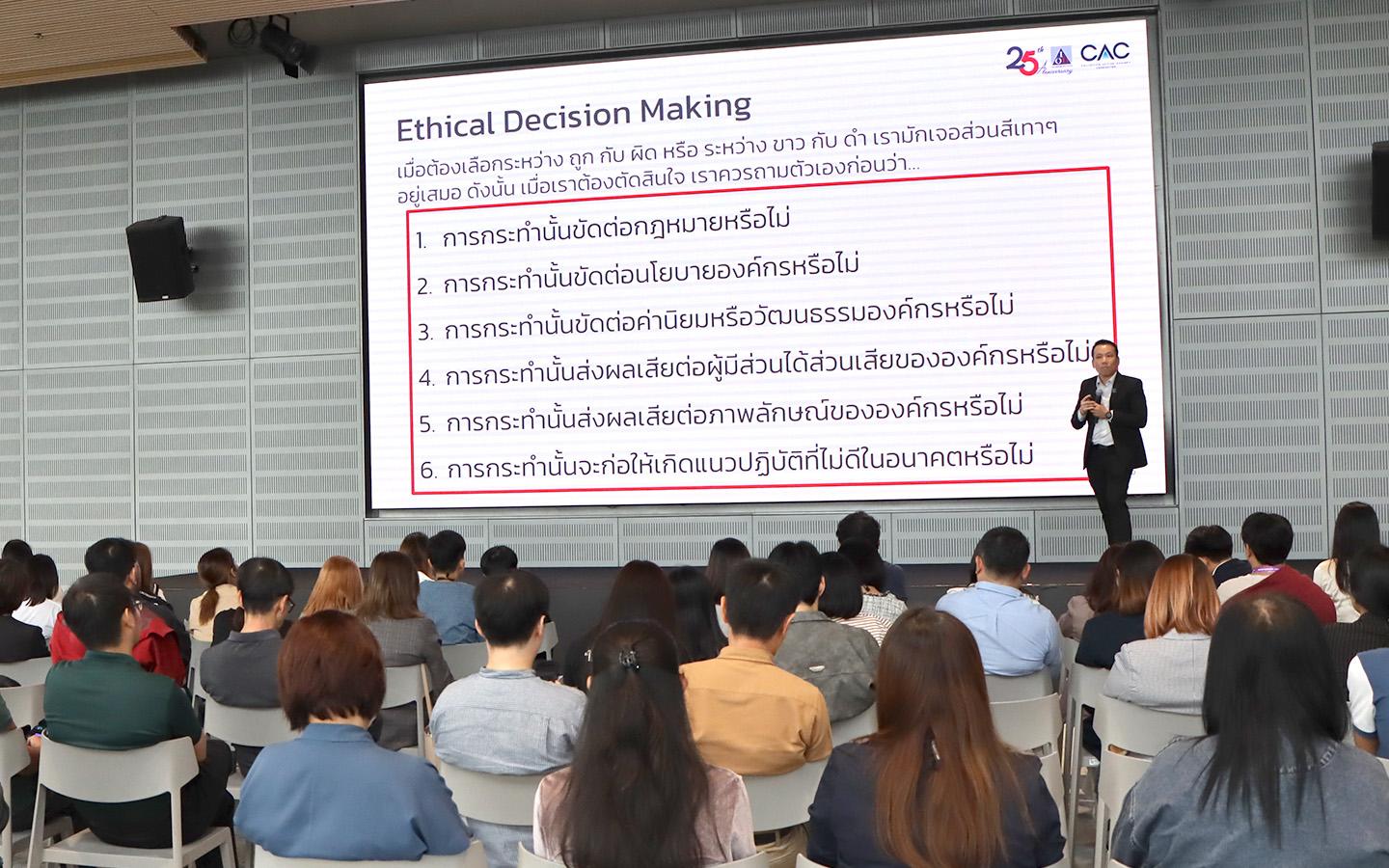
AI leadership training program for executives
AI transformation cannot be successfully achieved without leadership from executives. It is not merely about adopting new technology, but a structural transformation that impacts mindset, workflows, and organizational culture. Without strong leadership from the top, such transformation often lacks sufficient momentum. When executives take the lead, they provide clear direction, build confidence, and reinforce that AI adoption is a strategic priority for the organization’s future. Their active involvement signals that this is not a temporary trend, but a long-term strategic initiative requiring organization-wide support.
The Company conducted a 4-day training program in October 2025, covering key topics such as:
Overview of AI transformation in business, including use cases in marketing, KOL, content, media planning, AutoPost, AI adoption frameworks, and identifying business pain points and AI opportunities.
Custom GPT concepts for organizational use, AI workflow design, prompt engineering techniques, and hands-on development of basic custom GPT.
Fundamentals of AI agents, real business use cases, integration with data sources, data protection, and limitations of external AI tools.
In-depth analysis of real business pain points, AI implementation planning, ROI calculation for AI projects, and benchmarking productivity, efficiency, and cost savings.
The expected outcome is to establish the mindset that executives are empowered to make strategic resource decisions—such as budget allocation, time management, and workforce planning—which are critical to driving AI Transformation forward. Leadership-driven initiatives also inspire trust and motivation among employees. When executives actively learn, experiment, and adopt AI, employees are more encouraged to follow—not merely complying with directives, but collaboratively driving change in the same direction. Therefore, the role of executives in leading AI Transformation is crucial—not only as decision-makers, but as visionaries who build trust and momentum, enabling sustainable and organization-wide transformation in the long term.
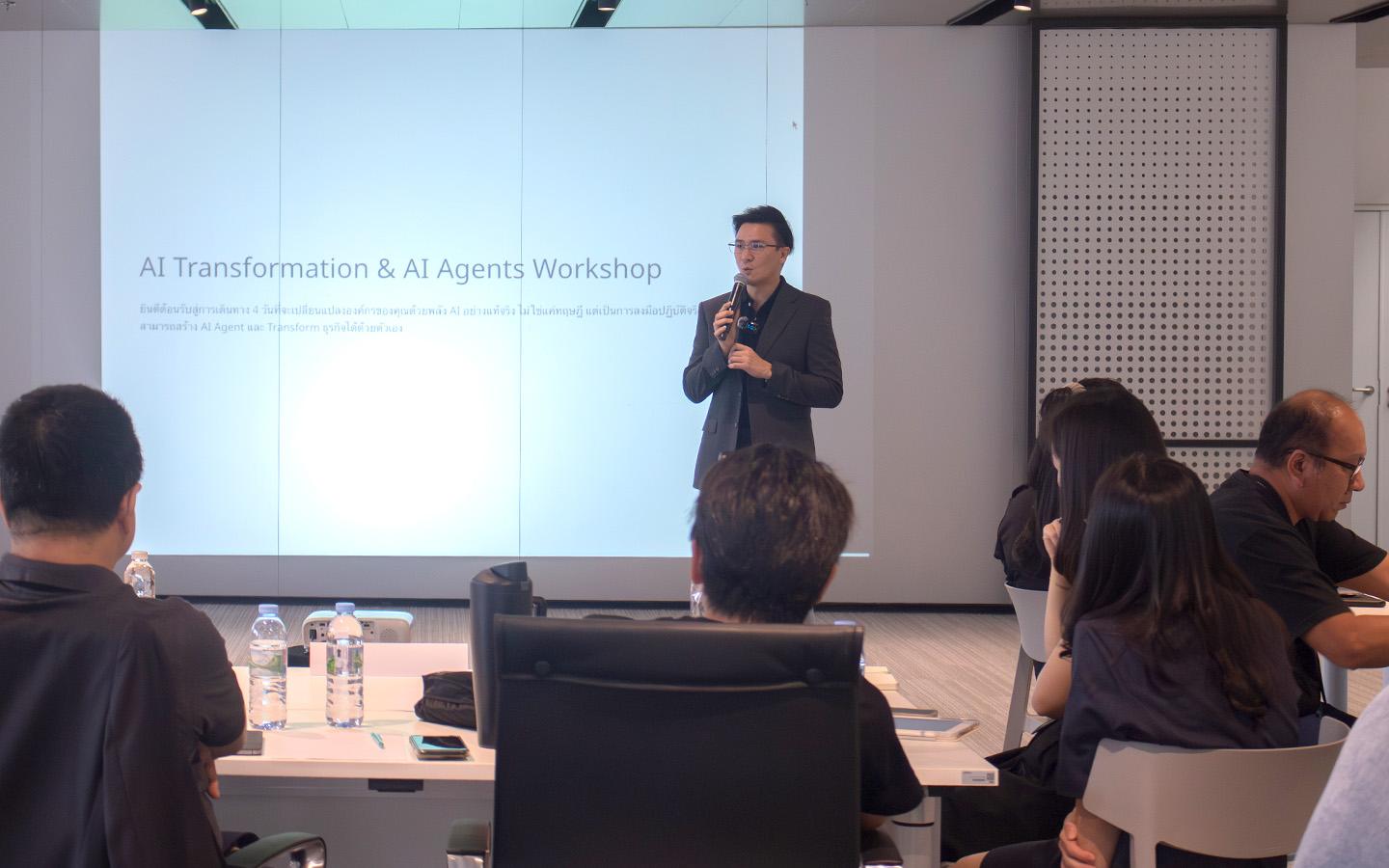
Training Data
| Metric | Current Year | Previous Year | Two Years Ago |
|---|---|---|---|
| Average employee training hours (Hours / Person / Year) | 8 | 4 | 18 |
| Employee development and training expenses (baht) | 0 | 0 | 18,167 |
Employees — Occupational Health & Safety
Occupational Health & Safety Data
| Metric | Current Year | Previous Year | Two Years Ago |
|---|---|---|---|
| Total number of lost time injury incidents by employees (Cases) | 0 | 0 | 0 |
Employees — Labour Relations
Introduction
Summary of workplace well-being and safety performance
Annual operations for 2025 | Target | Actual performance | Achievement |
Number of work-related injuries causing lost time for employees (LTIFR) | 0 cases/year | 0 cases/year | 100 percent |
Number of work-related injuries causing lost time for contractors or partners | 0 cases/year | 0 cases/year | 100 percent |
Number of work-related injuries resulting in permanent disability for employees | 0 cases/year | 0 cases/year | 100 percent |
Number of work-related injuries resulting in permanent disability for contractors or partners | 0 cases/year | 0 cases/year | 100 percent |
Number of work-related fatalities among employees | 0 cases/year | 0 cases/year | 100 percent |
Number of work-related fatalities among contractors or partners | 0 cases/year | 0 cases/year | 100 percent |
Workplace well-being and safety performance
“Employee workplace environment improvement project”
The Company has implemented initiatives to enhance the workplace environment for employees. These include creating Relax Rooms on every floor, equipped with personal storage spaces and sufficient relaxation areas for employees to unwind during lunch breaks, short breaks, or for small team meetings to prepare for work.
Regular activities have also been organized to promote team bonding and engagement, such as costume contests for various festivals (judged on aesthetics and creativity) and team-based activities to encourage collaboration. These relaxed and engaging environments contribute to improved employee productivity and morale.
From 2024 to 2025, the Company incorporated employee feedback to further enhance the workplace by establishing a Health Hub. This area includes open spaces, relaxation corners, small meeting zones, and affordable refreshments. The Health Hub encourages employees to rest, interact, and engage with one another more effectively, fostering both well-being and team cohesion.
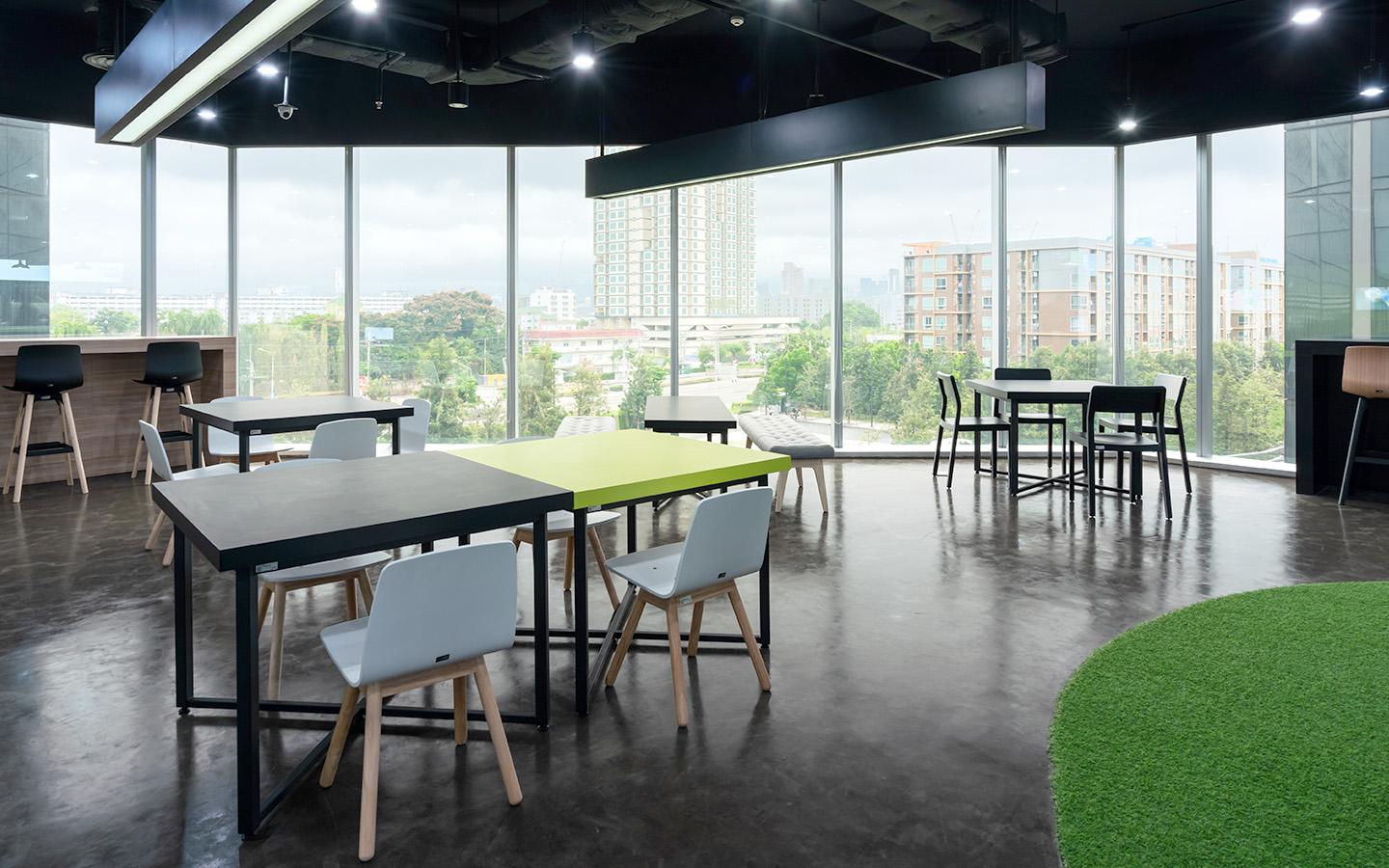
"Annual safety, occupational health, and work environment training program"
The Company places high importance on workplace safety. The Administration and Asset Management team organized the annual training program on February 6, 2026, to enhance participants’ knowledge and understanding, and to strengthen their role in workplace safety collaboration. The program also provided a forum for discussing operational practices and identifying strategies to ensure a safe working environment. The training aligns with the Ministerial Regulations on Occupational Safety, Health, and Work Environment Management, B.E. 2549. The course was conducted by certified instructors from the Safety and Occupational Health Promotion Association (Thailand) under the Royal Patronage of HRH Princess Maha Chakri Sirindhorn, a registered training organization under the Department of Labour Protection and Welfare. The program included: Pre-training assessment, Knowledge-sharing sessions on workplace safety, Group activities focused on practical safety exercises, Post-training assessment to evaluate learning outcomes.

"Annual fire drill and evacuation training program"
The Company, through the Building and Engineering Management team in collaboration with the Office Administration and Asset Management team, conducted the “Basic Firefighting, Fire Drill, and Annual Fire Evacuation Training for 2025” on February 6, 2026. The program aimed to enhance participants’ understanding of workplace safety and provide training in occupational safety, health, and work environment practices. This training aligns with the Ministerial Regulations on Fire Prevention and Suppression, B.E. 2555, which requires employers to conduct fire drills and evacuation exercises for all employees working in the same building at least once per year, at the same time, ensuring full participation.The training was conducted by instructors from the Bang Khen Fire and Rescue Station and included: Basic firefighting techniques, Practical fire drill exercises, Fire evacuation exercises this initiative ensures employees are well-prepared for emergencies and reinforces compliance with safety and occupational health regulations.
"Employee health promotion program: Fit Challenge and Health Clubs
The Company recognizes that promoting employee health goes beyond providing health insurance or annual medical check-ups, which primarily serve as preventive measures. Daily work routines can accumulate health risks, so proactive initiatives are essential. In 2025, the Company organized the Fit Challenge, encouraging employees to participate in weight-loss competitions individually and in teams, receiving very positive feedback. Additionally, Health Clubs were established to promote group-based, proactive health activities, emphasizing employee participation and engagement rather than just numerical outcomes. These activities aim to foster sustainable healthy behavior changes and strengthen workplace relationships. Qualitative Benefits For Employees: Reduces risk of non-communicable diseases (NCDs) such as diabetes, hypertension, and heart disease Encourages long-term healthy lifestyle habits Improves overall health, energy, and morale at work For the Company: Enhances work efficiency and productivity Increases workplace happiness and satisfaction Reduces sick leave and employee turnover rates Lowers costs related to medical assistance, recruitment, lost opportunities, and health-related expenses
Qualitative Benefits
For Employees: Reduces risk of non-communicable diseases (NCDs) such as diabetes, hypertension, and heart disease and encourages long-term healthy lifestyle habits, improves overall health, energy, and morale at work
For the Company: Enhances work efficiency and productivity, increases workplace happiness and satisfaction, reduces sick leave and employee turnover rates, Lowers costs related to medical assistance, recruitment, lost opportunities, and health-related expenses.
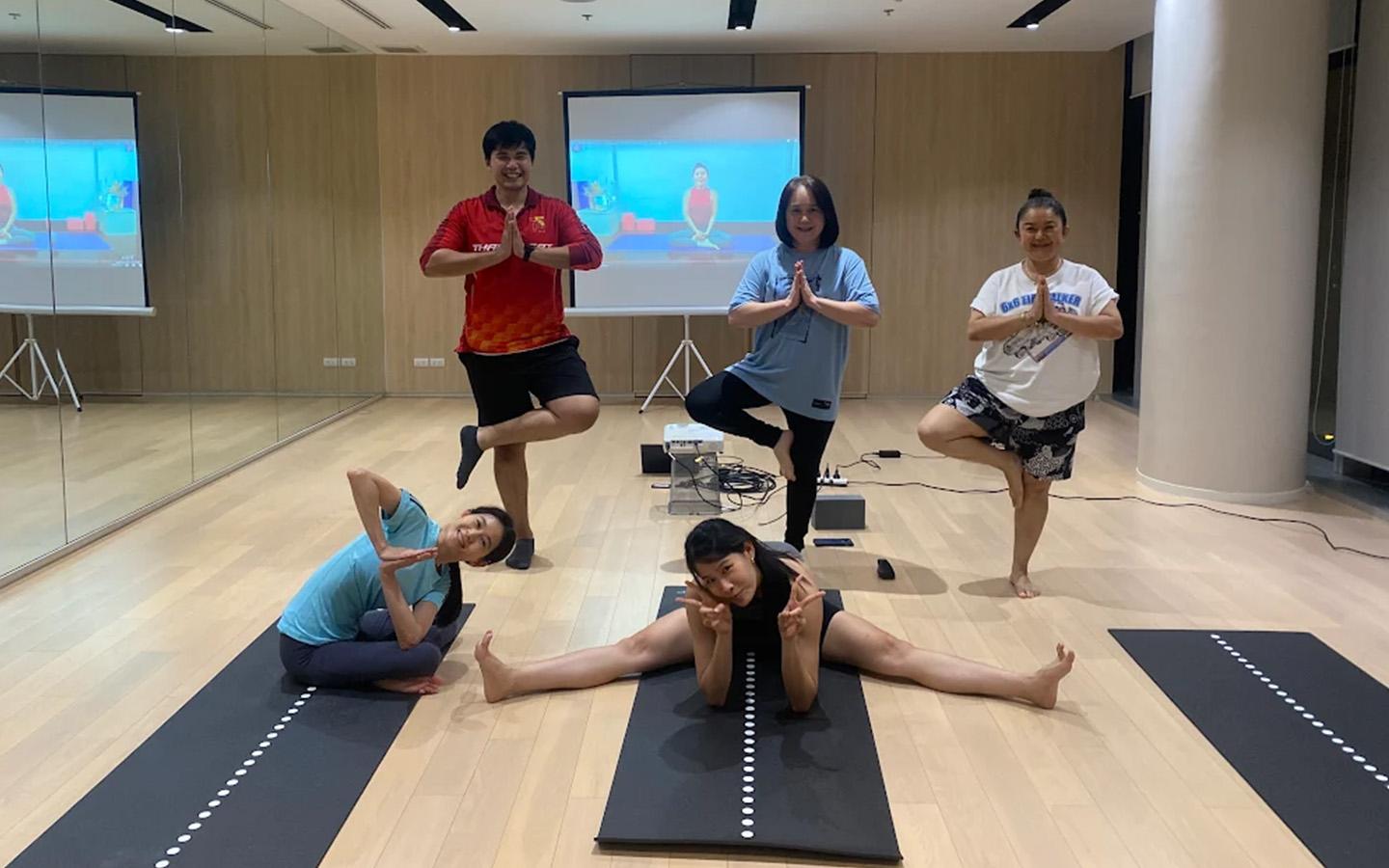
Labour Relations Data
| Metric | Current Year | Previous Year | Two Years Ago |
|---|---|---|---|
| Total voluntary resignations (Persons) | 140 | 80 | 11 |
| Male employees who voluntary resigned (Persons) | 56 | 40 | 3 |
| Female employees who voluntary resigned (Persons) | 84 | 40 | 8 |
| Percentage of employee turnover leaving the Company voluntarily (%) | 32.41 | 18.48 | 50 |
| Evaluation result of employee engagement | 0 | 0 | 0 |
Employees — Employee Representation
Employees Are Represented Collectively
No
Employees — Targets
Has Set Employee Targets
Yes
Targets
| Indicator | Target Areas | Target Year | Target Year — Description |
|---|---|---|---|
| - Average number of training hours per employee internally: Goal is 5 hours/employee/year. | 2984 · Description: Employee training and development · 2985 · Description: Promoting employee relations and participation | 2,025 | - Average number of training hours per employee internally: Goal is 5 hours/employee/year. |
Employees — Performance & Outcomes
Has Performance Results
No
Customers — Plan & Guidelines
Has a Customer Management Plan
Yes
Plan Description
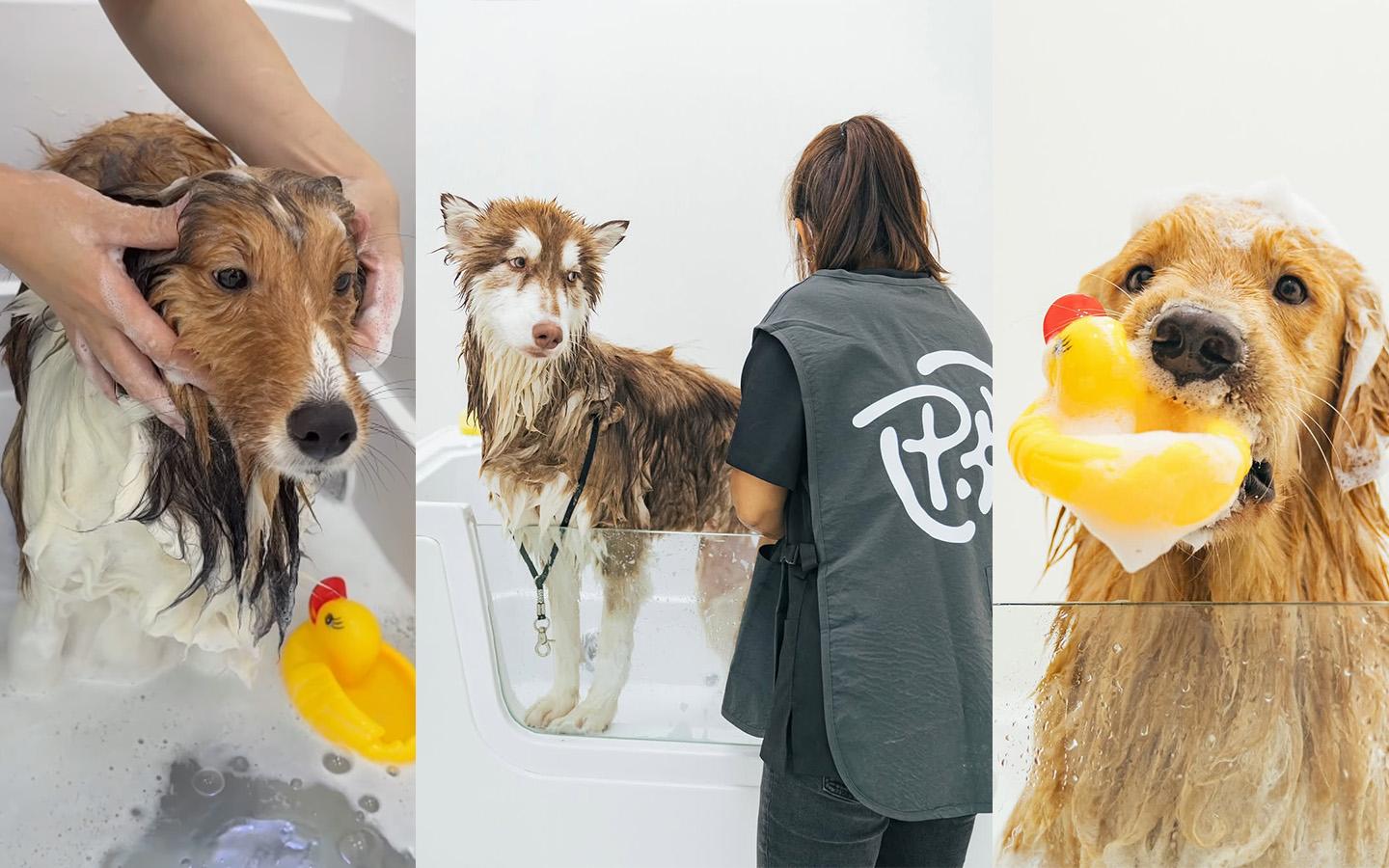
Responsible customer management in production and services
The Company focuses on delivering high-quality, safe, and contract-compliant products and services, strictly adhering to technical standards and legal requirements. This begins with market research to understand customer needs, designing products and services to meet those needs, and maintaining customer care throughout the entire process. A structured customer relationship management (CRM) system is used to communicate, systematically collect and analyze customer data, continuously improve products and services, and foster brand loyalty. Post-sale responsibilities include channels for complaints, impact assessment, and follow-up actions to ensure continuous improvement, with the primary goal of maximizing customer satisfaction and minimizing complaints.
Responsible practices in production and services
Conduct market research and segment customers.
Inspect product and service quality before delivery.
Understand the customer experience before, during, and after service use.
Communicate politely and promptly through multiple channels.
Use customer feedback to measure performance and improve plans.

Responsible customer communication on product and service impacts
The Company has a dedicated customer relations department to ensure transparent, accurate, and timely information, protecting customers/consumers and building trust. Communication channels are chosen to suit target groups (online and offline), and information is verified before dissemination. A complaint/response system is established to maintain brand loyalty and reduce complaints.
Practices for communicating product and service impacts
Impact identification and assessment
Analyze potential risks of products or services that may affect consumers (e.g., safety, health, or usability).
Prepare comprehensive impact information, covering both benefits and limitations that should be clearly understood.
Clear and transparent communication policy
Establish policies to ensure accurate information, avoid exaggerated claims, and fully disclose safety-related details.
Use simple, easy-to-understand language and avoid overly technical terminology.
Communication channel selection
Online: Social media, corporate websites, and email (for targeted communication).
Offline: Product labels, user manuals, press releases, and customer service centers.
Select channels that enable the fastest and most effective reach to target consumers.
Content management and communication
Proactive communication: Raise awareness about safe product usage and potential outcomes.
Crisis management: In case of product issues, implement an immediate recall plan and communicate across all channels to minimize impact.
Engagement and feedback
Establish channels for complaints and inquiries (e.g., LINE OA, chatbots, hotline).
Set up a dedicated team to respond promptly and resolve issues efficiently.
Monitoring and continuous improvement
Evaluate consumer understanding through surveys or social media monitoring.
Continuously improve communication strategies based on insights to align with changing customer behavior.

Customer satisfaction and relationship enhancement
The Company aims to deliver exceptional value and experiences beyond expectations by deeply understanding customer needs, communicating sincerely, leveraging technology for rapid response, and resolving issues effectively. This transforms general customers into loyal brand advocates.
Practices for Enhancing Satisfaction and Relationships
Understand expectations: deliver products/services beyond what is expected
Service with care: polite, flexible, and respectful personnel
Fast and timely service to increase satisfaction and reduce dissatisfaction
Customer relationship management: use technology and data to personalize offers
Actively listen to feedback for continuous product and service improvement

Customer personal data protection
The Company emphasizes transparency and ownership rights, complying fully with the Personal Data Protection Act (PDPA) B.E. 2562. Responsibilities include establishing a dedicated team, defining clear purposes, notifying and obtaining consent, collecting only necessary data, and securely deleting data when no longer required. The Company safeguards customer trust by prohibiting unauthorized use and implementing technical and administrative security measures. Proper compliance reduces legal risks (civil, criminal, administrative) and strengthens long-term customer relationships.
Practices for protecting customer personal data
Notification and consent: inform purposes, privacy policies, and obtain explicit consent
Minimized collection: collect only data necessary for the stated purpose
Use limitation: do not use data for other purposes without new consent
Data security: implement technical and administrative safeguards against leaks, unauthorized access, or destruction
Deletion or destruction: safely delete or destroy data after the purpose ends or the retention period expires
Data ownership rights: respect customer rights to access, correct, transfer, object, or request deletion of personal data
Plan Areas
| Plan Area |
|---|
| Responsible production and services for customers |
| Communication of product and service impacts to customers/consumers |
| Development of customer satisfaction and customer relationship |
| Protection of customer personal information |
Customers — Satisfaction Results
Introduction
Customer relationship management
The Company places great importance on customer relationship management, recognizing that strong customer relationships contribute to increased revenue, reduced costs—particularly customer acquisition costs—and enhanced customer satisfaction. Accordingly, the Company conducts customer satisfaction assessments regarding its products and services. These assessments aim to understand customer needs and issues arising from complaints, primarily through telephone surveys. The results are then analyzed and used to further develop and improve service quality, ensuring continuous enhancement of business processes.
Customer Satisfaction Results
| Metric | Current Year | Previous Year | Two Years Ago |
|---|---|---|---|
| Evaluation results of customer satisfaction | 0 | 0 | 0 |
Customers — Targets
Has Set Customer Targets
No
Customers — Performance & Outcomes
Has Performance Results
No
Community & Social — Plan & Guidelines
Has a Community & Social Plan
Yes
Plan Description
Policy for community and social engagement
The Company conducts its business with a strong awareness of its responsibilities toward society and communities, alongside strengthening its organizational capabilities. It aims to contribute to improving the quality of life of people
in the country by addressing social issues sustainably through its business processes, as well as by continuously supporting social initiatives—particularly in communities surrounding the Company’s locations. In addition,
the Company encourages employee participation in various social activities to foster a sense of public responsibility.
This approach helps build trust and acceptance from society and local communities, enabling sustainable coexistence.
Plan Areas
| Plan Area |
|---|
| Occupational health, safety, health, and quality of life |
| Disadvantaged and vulnerable groups |
Community & Social — Targets
Has Set Community & Social Targets
No
Community & Social — Performance & Outcomes
Has Performance Results
Yes
Performance Description
Community and social performance
The “3rd Blood Hero” project, organized by RS as the building owner, invited employees in the building to donate blood to the Thai Red Cross Society to help patients nationwide. A large number of executives and employees participated, contributing a total of 35,550 cc of blood.
The project “Because We Always Give More” was carried out by Allot Tech Co., Ltd. (a subsidiary), which supported various organizations as follows:
Wat Phra That Doi Kham, Chiang Mai: 150,000 Baht to support religious activities, temple development, and community improvement projects.
Banphaeo Hospital, Samut Sakhon: 50,000 Baht to support the procurement of medical equipment for heart disease treatment, as heart disease is one of the leading silent killers.
Thai Hematology Foundation: 50,000 Baht contributed to the “Fight to Alive” fund to assist underprivileged patients in accessing continuous treatment and improving their quality of life.
Wat Suthiwararam School Football Team: 50,000 Baht to support training camps, food expenses, and other costs for skill development and future competitions.
Fang Hospital, Chiang Mai: 50,000 Baht to help create opportunities and contribute to a sustainable future for Thai society.
Phra Nakhon Si Ayutthaya Hospital: 40,000 Baht to support hospital operations and development.
Khon Kaen Hospital, Khon Kaen: 50,000 Baht to enhance medical service capabilities and provide necessary equipment for healthcare personnel.
Phetchabun Hospital, Phetchabun: 50,000 Baht to support hospital development, procurement of medical supplies, and improvement of patient care efficiency.
The “Channel 8 Sharing Kindness” project, organized by RS as the building owner, encouraged employees to donate consumer goods and military supplies to support civilians and soldiers affected by the Thai–Cambodian border situation.
The “Channel 8 Sharing Kindness” project, organized by RS as the building owner, encouraged employees to donate funds to purchase essential goods to assist and rehabilitate flood victims in Southern Thailand.
The “Good Thinking is Sharing” project, in collaboration with Pun Kan Shop, encouraged employees to donate gently used items and purchase second-hand goods, with proceeds supporting educational funding through the Pun Kan Foundation.
Other Social Management
Plan & Outcomes — Description
Policy for business innovation for society and/or the environment
The Company is committed to developing and advancing innovations across products, services, and processes that create benefits, enhance competitiveness, and add value to the Company. In doing so, the Company takes into consideration the potential impacts on communities, society, and the environment, while striving to create shared value for both the Company and all stakeholders.
Guideline for business innovation for society and/or the environment
Analyze the Company’s operational processes in detail to identify opportunities for innovation development and practical implementation.
Encourage and promote an open environment that supports employees’ creativity, enabling them to propose ideas that foster continuous innovation.
Collaborate with stakeholders, such as business partners, to jointly develop innovations that are socially and environmentally responsible.
Promote knowledge development through both internal and external training programs to facilitate the exchange of ideas.
Seek opportunities to establish business partnerships with various sectors, including government agencies and educational institutions with relevant expertise, to develop and enhance innovative solutions that improve
the Company’s operational efficiency.
Policy for sustainable procurement
The Company is committed to strengthening relationships with business partners and improving operational processes to create shared value with all stakeholders. This is achieved through effective supply chain management that incorporates Environmental, Social, and Governance (ESG) considerations, addressing both opportunities and risks across all dimensions of business operations. Such an approach contributes to long-term value creation with business partners and enhances the Company’s competitive advantage in the future.
The Company upholds integrity, honesty, and fairness in its dealings with suppliers. All suppliers within the supply chain are treated equitably under transparent procurement processes, criteria, and contractual terms that ensure fair and reasonable mutual benefits. The Company strictly avoids discrimination and any situations that may lead to conflicts of interest, while adhering to its responsibilities toward suppliers. In addition, the Company supports knowledge sharing and capacity development among suppliers, and promotes the adoption of internationally recognized standards. This includes business ethics, labor practices and human rights, quality management, occupational health and safety, community engagement, and environmental protection. The Company also conducts regular monitoring, evaluation, and continuous improvement to strengthen collaboration and sustainable business practices with its partners.
Guidelines for sustainable procurement
Fair and transparent supplier selection, taking into consideration economic, social, environmental, and governance performance, covering both new and existing suppliers
Systematic procurement processes with strict controls, monitoring, and auditability to ensure maximum benefit throughout the entire process
Support for community and social development activities in collaboration with suppliers, as appropriate
Promotion and support of environmentally friendly products
Encouragement of employment, opportunity creation, and career development within local communities
Promotion of innovation development in collaboration with suppliers to achieve sustainable business growth together
Policy for trade credit and payment terms for suppliers
The Company places importance on liquidity management and cash cycle efficiency. Therefore, the determination of trade credit terms depends on each supplier, taking into account various factors such as the length of the business relationship, type of products, quantity, product quality, and inventory turnover, among others.
However, the Company establishes trade credit terms based on fairness and mutual benefit for all parties, with the following details:
General suppliers: Payment terms range from 7 to 75 days from the date of receipt and acceptance of goods or services, or in installments in accordance with the contractual agreement, in compliance with the regulations of the Trade Competition Commission
Small and medium enterprises (SMEs): Payment terms are set at 30 days to support suppliers’ liquidity, enabling them to maintain cash flow and continuously circulate funds within the economy
Performance in 2025
In 2025, the Company’s actual average payment period was 67 days, which is in line with the Company’s trade credit policy.
Governance and sustainability
The Company regularly reviews its trade credit policy to ensure alignment with economic conditions, financial risks, and sustainable business practices. Consideration is given to the impact on suppliers, particularly SMEs, in order to strike a balance between the Company’s liquidity management and supporting partners across the supply chain.
Policy for tax
The Company is committed to conducting its business with transparency and integrity. It ensures that all tax practices and the utilization of tax incentives are carried out accurately and completely to achieve maximum efficiency within the framework of applicable laws and regulations. This includes compliance with financial and tax disclosure requirements to government authorities and all stakeholders.
Such practices are aligned with good corporate governance principles, the Company’s code of conduct, and its sustainability approach, which aims to achieve economic growth alongside social responsibility. The Company believes that responsible tax practices contribute positively to the overall economic and social development of the country in the long term.
Guidelines for tax
Full compliance with applicable tax laws and regulations in all countries where the Company operates
Proper tax planning and utilization of tax incentives in accordance with laws and regulations, without engaging in tax avoidance.
Timely tax filing, payment, and refund claims in accordance with legal requirements to maximize benefits for the Company, government authorities, and the country.
Regular assessment of tax impacts in response to new tax laws, policies, or business transactions, with a focus on the Company’s best interests.
Engagement of qualified tax advisors to ensure accuracy and reduce the risk of tax disputes.
Appointment of responsible personnel to provide accurate operational information upon request or audit by government authorities.
Encouragement for relevant personnel to continuously enhance their tax knowledge to ensure accurate and complete execution of duties.
Tax reporting performance
The Company consistently monitors and evaluates its compliance with tax laws, regulations, and related practices to ensure proper understanding and adherence among relevant parties.
In 2025, the Company reported a loss before income tax of 111,066,275 Baht and recognized an income tax reversal
of 79,078,297 Baht, representing an effective tax rate of 71.20%.
Support for social development in collaboration with other organizations
In 2025, the Company supported various social development initiatives, with a total contribution of 22,716,583 Baht, representing 1.33% of total revenue, as follows:
Support for social development | Value (Baht) |
Support for education | 50,000 |
Support for religious activities | 150,000 |
Support for medical and healthcare services | 440,000 |
Acting as a medium to support society Channel 8 sharing kindness: Supporting flood victims in Southern Thailand Channel 8 sharing kindness: Delivering care and support to the Thai–Cambodian border area | 9,545,567 12,531,016 |
Total Amount | 22,716,583 |
Law Violation Incidents
Law Violation Incidents
| Metric | Current Year | Previous Year | Two Years Ago |
|---|---|---|---|
| The total number of cases or incidents of significant violations of laws or regulations regarding social and human rights (Cases) | 0 | 0 | 0 |
| The total number of cases or incidents that cause significant labor disputes (Cases) | 0 | 0 | 0 |
| The total number of cases or complaints related to consumer rights violations (Cases) | 0 | 0 | 0 |
| The total number of cases or complaints related to partner rights violations (Cases) | 0 | 0 | 0 |
| The total number of cases or incidents that cause disputes with the community/society (Cases) | 0 | 0 | 0 |
| The total number of cases or incidents related to cyber security or customer data breaches (Cases) | 0 | 0 | 0 |
| The total number of cases or incidents related to safety and occupational health at work (Cases) | 0 | 0 | 0 |